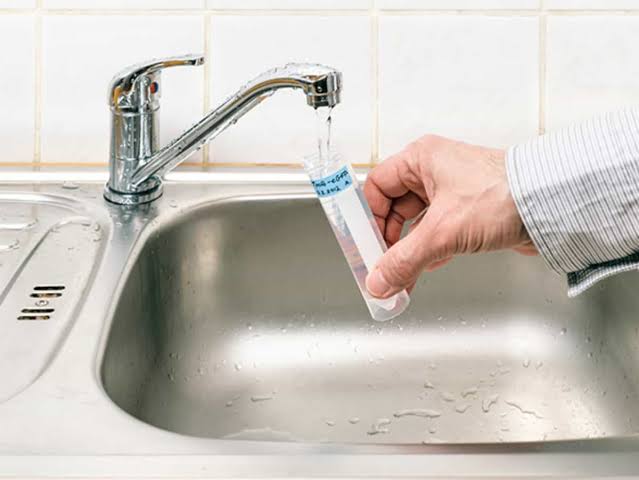
Water is one of those things most of us rarely think about until something seems wrong. The taste changes. There’s a strange smell. Maybe the water leaves white spots on your dishes or makes your skin feel unusually dry. Sometimes, though, the problem isn’t obvious at all. Water can look perfectly clear and still contain minerals, bacteria, metals, or other contaminants that you wouldn’t want to drink every day.
That’s why testing your water is more than a routine household chore. It’s a practical way to understand what’s actually coming out of your tap, whether you live in a busy city, a small rural community, or somewhere in between.
What Water Testing Can Tell You
A good water test gives you a clearer picture of your water quality. Depending on the source and the type of test, it may check for things such as pH, hardness, iron, manganese, chlorine, nitrates, bacteria, lead and other potentially unwanted substances.
The important part is that different water sources can have very different problems. Municipal water is generally treated before it reaches your home, but its quality can still be affected by aging pipes, plumbing materials or changes in the local water supply. Private wells are another story. Since they’re not typically regulated in the same way as public water systems, homeowners have more responsibility for checking what’s in their water.
For households that aren’t sure where to begin, free water testing (urban & rural) can be a useful first step. It can help identify common water-quality concerns without making the process feel complicated or intimidating.
City Water Isn’t Automatically Perfect
Living in an urban area often creates the impression that water quality is something you don’t need to worry about. After all, municipal water goes through treatment facilities and is monitored according to local standards.
That’s reassuring, but it doesn’t mean your individual tap water is identical to the water leaving the treatment plant.
Water travels through miles of infrastructure before reaching a kitchen faucet. Older plumbing can sometimes affect water quality, especially in buildings with aging pipes or fixtures. Even something as simple as stagnant water sitting in household plumbing overnight can influence what comes out of the tap first thing in the morning.
This doesn’t mean city water is unsafe. It means testing can provide useful information instead of leaving you to guess.
Rural and Well Water Deserves Extra Attention
For people relying on private wells, regular testing is particularly important. Groundwater can pick up naturally occurring minerals as it moves through soil and rock. Agricultural activity, nearby septic systems, flooding and other environmental factors can also influence groundwater quality.
A well may provide excellent-tasting water for years, then show changes after heavy rainfall or other local events. That’s why well water testing & analysis should be considered part of responsible well ownership rather than something you only do when the water starts looking strange.
Testing is especially sensible after flooding, well repairs, changes in taste or smell, or when buying a property with a private well. Families with infants, older adults, or anyone with specific health concerns may also want to discuss appropriate testing with a qualified professional.
Don’t Judge Water by Appearance Alone
One of the biggest misconceptions about water quality is that bad water should look bad.
Unfortunately, that’s not always how it works.
Some contaminants have no obvious color, smell or taste. On the other hand, harmless minerals can sometimes make water look cloudy or leave deposits that seem alarming. A rusty color might indicate iron, while a rotten-egg smell may point toward hydrogen sulfide. Neither situation should be diagnosed simply by looking at the water.
Testing replaces guesswork with actual information.
And once you know what’s causing the problem, you can choose a treatment approach that makes sense instead of buying a filtration system based on a salesperson’s broad promise or a neighbor’s experience.
Choosing the Right Water Treatment System
Not every home needs the same type of water treatment. That sounds obvious, but it’s surprisingly easy to overlook.
If hard water is the main issue, a water softener may be appropriate. If sediment is entering the supply, filtration may help. Other concerns can require specialized treatment, particularly when dealing with specific chemical or biological contaminants.
The goal shouldn’t be to install the biggest or most expensive system available. It should be to address the actual problem.
A professional evaluation can help determine the right equipment, capacity and maintenance requirements for your household. Proper system installation matters too. Even a high-quality treatment unit can perform poorly if it’s incorrectly sized, poorly connected, or installed without considering water pressure and household demand.
Testing Shouldn’t Be a One-Time Thing
Water quality can change over time. That’s particularly true for private wells, but municipal systems can experience changes too.
Regular testing creates a useful record. Instead of wondering whether a new taste or odor is normal, you have previous results to compare against. It can also help identify gradual changes before they become bigger headaches.
How often should you test? There isn’t one universal schedule for every property. The appropriate frequency depends on your water source, location, previous test results and potential environmental risks. A qualified local water professional or public health authority can provide guidance based on your circumstances.
Better Water Decisions Start With Better Information
Water treatment shouldn’t be about fear. There’s enough of that already.
It should be about knowing what you have and making sensible decisions from there. Testing can reveal whether you’re dealing with hardness, sediment, bacteria, metals or another issue. Once the problem is identified, treatment becomes much more straightforward.
For homeowners, renters and property buyers alike, understanding water quality is a small investment in peace of mind. You don’t need to become a water chemistry expert. You simply need reliable information and, when necessary, the right professional help.
After all, the water you use every day deserves more than a quick glance at the faucet. A little testing today can prevent a lot of uncertainty tomorrow.