Water is part of almost everything we do. We drink it throughout the day, use it to make tea and coffee, cook our favourite meals, and fill bottles before heading out the door. Yet, many people rarely stop to think about the quality of the water coming from their taps. If it looks clear, it must be fine, right? Not necessarily. Water can contain dissolved minerals, unwanted chemicals, or other impurities that aren’t visible to the naked eye.
The good news is that understanding your household water doesn’t have to be complicated. A few practical steps, starting with testing and followed by the right filtration choices, can help you make more informed decisions about the water your family uses every day.
Start by Understanding Your Water Quality
Before investing in a filtration product, take a closer look at the water supply itself. Water quality can vary considerably depending on where you live, whether your property receives municipal water or relies on a private well, and the condition of the plumbing inside your home.
Some households deal with hard water, which contains higher concentrations of calcium and magnesium. Others may notice a metallic taste, cloudy appearance, unusual odour, or stains around sinks and bathroom fixtures. These signs can point toward specific water quality concerns, although appearance and taste alone cannot identify every possible contaminant.
A water test is a sensible first step. Depending on the source and local conditions, testing may include hardness, pH, iron, nitrate, microbial contamination, or other substances of concern. The results give you a clearer picture of what needs attention instead of leaving you to guess.
Why Water Filtration Matters
Water treatment isn’t simply about making water taste better. The right approach can address particular quality issues and make drinking water more pleasant to use. For example, activated carbon filters can reduce chlorine taste and odour, while other technologies are designed to target different contaminants.
However, no single filter removes everything. A product that works well for chlorine may not be effective against dissolved salts, certain metals, or microorganisms. That’s why matching the technology to the actual water quality problem matters more than choosing a system because it has an impressive label.
For homeowners looking to improve your drinking water, the best starting point is to identify what is present, understand what should be reduced, and select a treatment method that has been tested for those specific purposes. It’s a more reliable strategy than assuming every home needs the same equipment.
Understanding Reverse Osmosis Technology
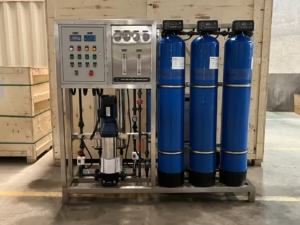
Reverse osmosis is a popular option for households that want additional treatment at the point where drinking water is dispensed. The process uses pressure to push water through a semipermeable membrane, which separates much of the dissolved material from the treated water. Depending on the system design and water conditions, it can reduce several dissolved contaminants, including certain salts, lead, arsenic, and nitrate.
<text> </text>
Modern reverse osmosis systems often combine several stages of treatment. A sediment filter may capture particles, while a carbon filter helps reduce chlorine and certain organic compounds. The membrane then provides the main separation stage, and some systems include a final carbon filter to improve taste.
There are trade-offs worth considering. Many conventional units produce wastewater during treatment, and the amount depends on the system, water pressure, temperature, and maintenance. Some models also include a storage tank, while others use tankless designs. Installation space, replacement filters, operating costs, and water use should all be part of the decision.
Reverse osmosis isn’t necessary for every household. If testing shows that the water supply is already suitable and the main concern is a mild chlorine taste, a simpler filtration option may be enough.
Choosing the Right Water Purification System
The phrase water purification covers a broad range of technologies. It may refer to filtration, reverse osmosis, ultraviolet disinfection, or a combination of treatment methods. The right choice depends on the problem you’re trying to solve.
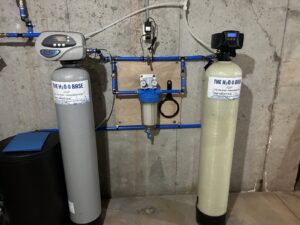
For instance, a household dealing mainly with chlorine taste might benefit from an appropriately certified carbon filter. A home with hard water may need a water softener to reduce scale formation. Where microbial contamination is a concern, treatment must be selected specifically for that risk, alongside any necessary disinfection measures.
Well-designed water purification systems should be chosen according to verified performance claims rather than vague promises. Look for independent certification relevant to the contaminant you want to reduce. NSF and ANSI standards, for example, cover different aspects of drinking water treatment, but a product’s certification must match the particular reduction claim you’re relying on.
It’s also worth asking whether treatment is needed at one tap or throughout the house. Point-of-use equipment treats water at a specific outlet, usually for drinking and cooking. Whole-house systems treat water as it enters the property and may be more appropriate for certain issues affecting showers, appliances, and plumbing.
Don’t Overlook Filter Maintenance
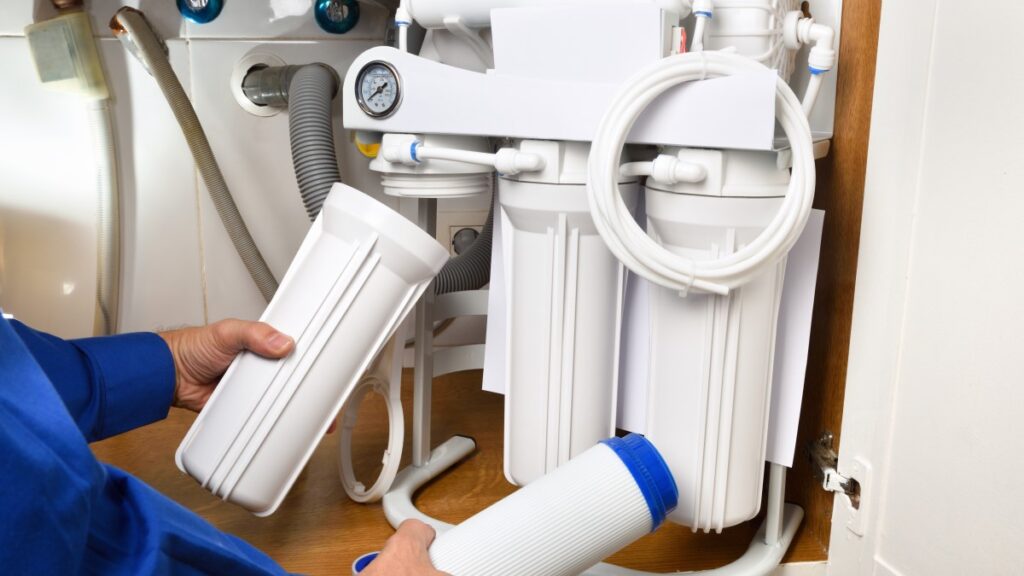
Even a high-quality system needs proper care. Filters collect particles and gradually lose their effectiveness, while membranes and other components may require replacement according to the manufacturer’s schedule. Leaving filters in service too long can reduce performance and, in some circumstances, affect water quality.
Set reminders for cartridge changes and keep a record of servicing. If the water develops a new taste or smell, flow slows noticeably, or the system displays a maintenance warning, check the manufacturer’s instructions rather than ignoring the change.
Sanitation matters, too. Storage tanks, dispensers, and filter housings should be maintained according to the product guidance. A well-designed treatment unit cannot compensate for neglected components or contaminated plumbing downstream.
Small Habits Can Make a Difference
Water quality improvements don’t always begin with a major purchase. If your home has been unused for several hours, following local guidance about flushing taps may help address water that has been sitting in household plumbing. Where lead pipes or plumbing components are a concern, contact your local water provider or a qualified professional for advice on testing and corrective measures.
Keep drinking water in clean, food-safe containers, and avoid leaving bottles in hot places for extended periods. If your water comes from a private well, establish a regular testing schedule based on local recommendations. Private wells are not monitored in the same way as regulated public supplies, so responsibility for testing generally rests with the property owner.
Remember that boiling water is not a universal purification method. It can help kill many disease-causing microorganisms when done correctly, but it does not remove dissolved metals or salts and may concentrate certain contaminants as water evaporates. Follow official public health guidance if a boil-water advisory or contamination warning is issued.
Make an Informed Choice for Your Home
Better drinking water begins with information, not guesswork. Testing helps identify specific concerns, suitable treatment technology addresses those concerns, and regular maintenance keeps equipment working as intended. Just as importantly, the most expensive system isn’t automatically the best one.
Take time to understand your water source, compare credible performance claims, and consider long-term maintenance costs before choosing a product. If test results reveal a serious or unfamiliar issue, consult a qualified water treatment professional or your local public health authority.
Clean, dependable drinking water is something most of us take for granted until a problem appears. A little attention now can help you make practical choices, avoid unnecessary spending, and feel more confident about the water you pour into your glass every day.