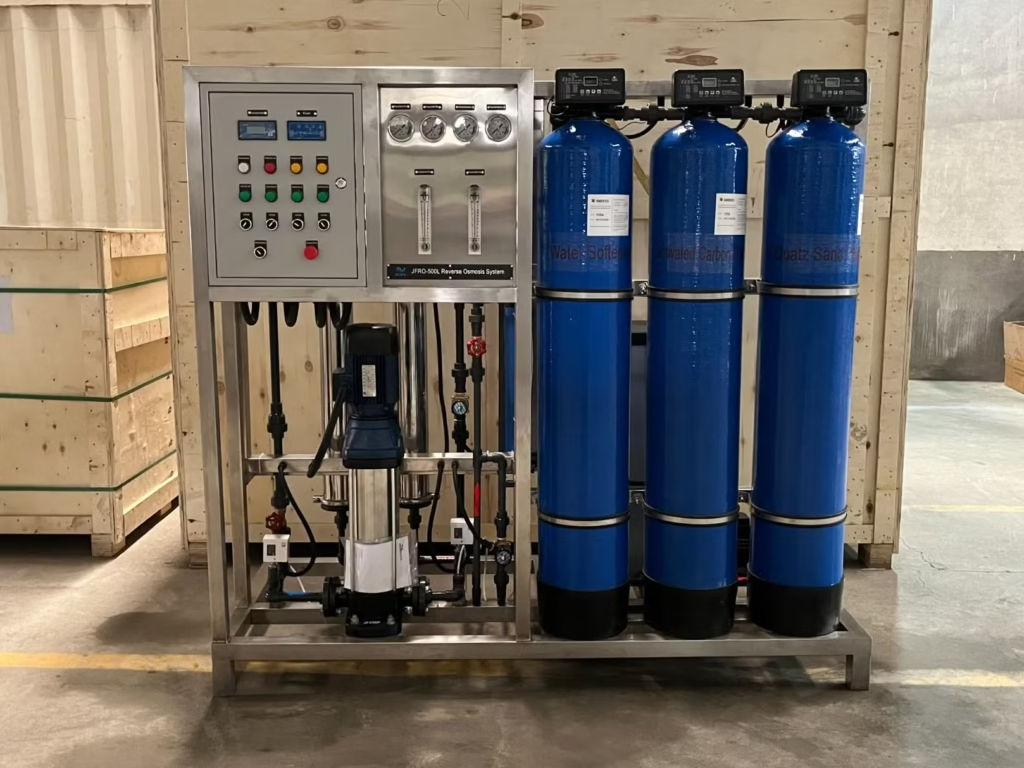
Good water makes a difference in ways we don’t always notice at first. It helps your morning coffee taste better, keeps your shower comfortable, and makes everyday cleaning a little less frustrating. But when water leaves spots on your dishes, smells unusual, or tastes different from what you’re used to, it’s natural to wonder whether something needs to change.
The tricky part is knowing where to start. With so many water treatment products available, choosing the right one can feel more complicated than it should. The good news? You don’t necessarily need an elaborate setup. Understanding your home’s water quality, identifying the problems you want to solve, and comparing a few practical options can make the decision much easier.
Start by Understanding Your Water
Before spending money on equipment, take a closer look at the water coming into your home. Is there a chalky residue around faucets? Do glasses look cloudy after washing? Perhaps the water has a metallic taste or leaves an unpleasant smell in the kitchen.
These clues can point toward different issues, but appearances alone don’t tell the whole story. Hard water, for example, contains elevated levels of dissolved minerals, usually calcium and magnesium. Iron can cause reddish-brown stains, while certain compounds can contribute to unpleasant odors. Other contaminants may not change the water’s appearance or taste at all.
A water test helps establish what’s actually present. Depending on your water source and concerns, testing may include hardness, pH, iron, nitrate, or specific contaminants such as lead. People using private wells should pay particular attention to regular testing because their water isn’t monitored in the same way as water from a regulated public supply.
Once you have reliable results, you’re in a much better position to choose equipment that addresses a real problem rather than paying for features you may never need.
When Hard Water Becomes an Everyday Problem
Hard water is common in many areas, and its effects often appear gradually. Soap may refuse to lather properly, showerheads can develop mineral deposits, and kettles may collect a stubborn white layer inside. You might also notice that towels feel rougher or that cleaning the bathroom takes more effort than it used to.
For households dealing with these frustrations, water softeners can be a practical option. Traditional salt-based models use an ion-exchange process to reduce calcium and magnesium, replacing them primarily with sodium or potassium ions. The result is softer water that generally produces less mineral scale.
Still, a softener isn’t automatically the right answer for every home. It doesn’t remove every contaminant, and it isn’t designed to disinfect unsafe water. Some households may benefit from treating only certain parts of their plumbing, while others need a whole-home installation.
It’s also worth considering maintenance. Salt-based systems require periodic salt replenishment and occasional checks to ensure they’re operating properly. Salt-free conditioning products are available too, although they generally don’t remove hardness minerals in the same way as conventional softeners. Knowing that distinction helps avoid disappointment later.
Better-Tasting Drinking Water Without Guesswork
Water used for drinking and cooking deserves a slightly different approach. If your tap water tastes strongly of chlorine or has an unpleasant aftertaste, a suitable carbon filter may improve its flavor and smell. For many homes, a simple certified filter is enough to make water more enjoyable without adding unnecessary complexity.
Other situations call for a more specialized solution. Reverse osmosis systems push water through a semipermeable membrane to reduce many dissolved substances, with the exact performance depending on the system design and certification. They’re often installed beneath a kitchen sink and can be useful when testing identifies contaminants that the selected model is designed to reduce.
However, reverse osmosis isn’t a universal fix. These systems can produce wastewater, need filter and membrane replacements, and may remove minerals along with unwanted substances. Some models include remineralization stages, but that feature isn’t essential for everyone.
The most important step is to match the system’s independently verified performance claims to your actual water concerns. Look for appropriate certifications, such as NSF/ANSI standards relevant to the specific reduction claim, and follow the manufacturer’s installation and replacement instructions.
Whole-Home Filtration or a Point-of-Use Filter?
Not every water concern requires treatment throughout the entire property. A point-of-use filter serves a particular tap or appliance, making it useful for drinking and cooking water. It’s often less expensive to install and maintain than a whole-home system.
Whole-home filtration treats water as it enters the house. Depending on the equipment, it may help address sediment, certain odors, or other issues affecting multiple taps. This can make sense when the problem extends to showers, laundry, and appliances rather than just the kitchen sink.
The distinction matters because larger equipment isn’t necessarily better. A whole-home filter designed for sediment won’t automatically remove dissolved chemicals, while a drinking-water filter may not be suitable for treating every shower and faucet.
Think about how your household actually uses water. A family with an unpleasant taste at one tap may need a very different setup from a property with well-water sediment throughout its plumbing.
Compare the Real Cost, Not Just the Price Tag
Shopping for water treatment equipment can quickly become confusing when one company quotes a low upfront price and another includes installation, replacement filters, and ongoing support. To compare fairly, look beyond the initial figure.
Ask whether the quoted amount includes plumbing work, required accessories, testing, and setup. Find out how often filters, membranes, or other components need replacement and what those parts typically cost. For a softener, ask about salt consumption, regeneration settings, and routine servicing.
It also helps to understand the warranty. Does it cover parts and labor, or just selected components? Who should you contact if the system stops working? A cheaper unit may turn out to be less economical if replacement parts are difficult to find or service is inconvenient.
If you’re unsure which option suits your property, ask a qualified provider to explain the choices and their limitations. Many companies let homeowners get your free quote before committing to a purchase. Use that opportunity to compare written estimates, ask about expected maintenance costs, and check whether the recommendation is based on actual water test results.
Be cautious of anyone who promises to remove every possible contaminant with a single device or pressures you into making an immediate decision. Reliable advice should be specific, transparent, and easy to understand.
Installation and Maintenance Matter More Than You Might Think
Even a well-designed system can disappoint if it’s installed incorrectly or neglected after setup. Filters have limited capacities, membranes gradually lose performance, and softeners need their settings checked from time to time. Waiting until water quality noticeably changes isn’t always the best maintenance strategy.
Follow the manufacturer’s replacement schedule, while taking household water use and local conditions into account. Keep records of filter changes and service visits, and arrange follow-up testing when appropriate, especially if your system is intended to reduce a particular health-related contaminant.
Professional installation can also help prevent leaks, incorrect connections, and avoidable pressure problems. If your water comes from a private well, remember that filtration equipment cannot make every possible water problem safe by itself. Microbial contamination, for instance, may require a properly selected disinfection method and further investigation.
A Better Water Decision Starts With the Right Questions
Choosing a water treatment system doesn’t have to become a major household project. Start with the problem you want to solve, confirm it through suitable testing, and compare equipment designed for that specific purpose. Consider the full cost of ownership, not just the sales price, and make sure replacement parts and support will be available when you need them.
Most importantly, don’t assume that the most expensive system is the best one. Sometimes a modest filter is all that’s required. In other homes, a softener, specialized drinking-water treatment, or combination of technologies makes more sense.
The aim isn’t to buy the biggest system on the market. It’s to find a dependable solution that fits your water quality, your budget, and the way your family lives. When you make that decision with clear information rather than guesswork, better water becomes a practical improvement you can appreciate every day.