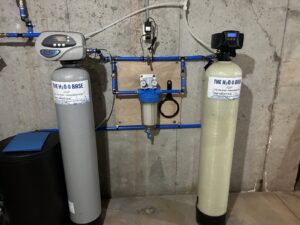
Water from a private well can be a dependable source for a household, especially in areas where municipal water isn’t available. Still, well water isn’t always as clean or consistent as it looks. It may appear clear in a glass but contain dissolved minerals, iron, sediment, bacteria, or other substances that affect its quality. Over time, these issues can influence everything from the taste of drinking water to the condition of plumbing, appliances, and bathroom fixtures. Understanding your water is the first step toward making meaningful improvements.
Understanding What Your Well Water Contains
Every well has its own characteristics. Water quality depends on the surrounding soil, rock formations, groundwater movement, nearby agricultural activity, and even seasonal changes. Some homeowners deal with a metallic taste, while others notice cloudy water, unpleasant odors, reddish stains, or white mineral deposits on taps and showerheads.
Hard water is one of the most common concerns. Calcium and magnesium can gradually build up inside pipes, water heaters, and household appliances. Iron may leave orange or brown marks on sinks and laundry, while sediment can make water look muddy after heavy rainfall or changes in groundwater conditions.
Rather than guessing what’s wrong, a professional water test can help identify the actual problem. It’s a small step that often saves homeowners from buying equipment they don’t really need.
Choosing a Solution That Addresses the Real Problem
There isn’t one filtration system that works perfectly for every well. The right approach depends on the substances present in the water and how they affect daily use. Some households may need a sediment filter, while others benefit from iron removal, water softening, activated carbon, or a combination of technologies.
Exploring different private well water treatment options can make the process less confusing. A basic sediment filter, for example, can help capture sand, dirt, and other suspended particles. Water softeners are designed to reduce hardness, while specialized filters may target certain dissolved contaminants. If bacteria or other microorganisms are a concern, disinfection systems may also be necessary.
The important thing is to treat the cause, not simply the symptom. Installing a filter because water looks cloudy may help, but it won’t necessarily address dissolved minerals or invisible contaminants.
Filtration and Conditioning for Everyday Comfort
Water quality affects more than drinking and cooking. It plays a role in showering, washing clothes, cleaning floors, and maintaining household equipment. When water contains excessive minerals or unwanted substances, everyday chores can become frustrating.
A properly selected well water filtration and conditioning system can improve the overall experience of using water at home. Filtration helps remove specific unwanted particles or contaminants, while conditioning technologies can address problems such as hardness and mineral buildup. In some homes, these systems work together rather than relying on a single piece of equipment.
The benefits may become noticeable in small ways. Soap can lather more easily, glassware may develop fewer spots, and bathroom fixtures can require less scrubbing. Water heaters, washing machines, and dishwashers may also experience less mineral-related stress when hardness is managed correctly.
However, treatment systems need regular attention. Filters have a limited lifespan, softeners require replenishment, and certain equipment needs periodic cleaning or adjustment. A system that isn’t maintained can gradually lose effectiveness, even if it worked beautifully when first installed.
Why Professional Guidance Can Make a Difference
Choosing water treatment equipment can feel overwhelming. There are countless product descriptions, technical specifications, and promises about cleaner water. It’s difficult to know which claims matter when you’re simply trying to solve a problem in your home.
Experienced technicians can evaluate water test results, understand the plumbing setup, and recommend equipment based on actual needs. Reliable well water treatment services may include testing, system selection, installation, maintenance, and troubleshooting. Having someone explain the process in plain language is valuable, too. Homeowners shouldn’t have to become water treatment experts just to feel confident about the water they use every day.
Professional installation can also help prevent issues such as incorrect sizing, pressure loss, poor drainage connections, or equipment that doesn’t match the water chemistry. A thoughtful setup is often more effective than purchasing several products and hoping they work together.
Protecting Your Home for the Long Term
Water treatment isn’t necessarily a one-time decision. Groundwater conditions can change, equipment wears out, and a household’s needs may evolve. Regular testing and basic maintenance help keep the system working as intended.
It’s worth paying attention to changes in taste, smell, appearance, or water pressure. These signs don’t always indicate a serious problem, but they shouldn’t be ignored either. If something suddenly feels different, checking the water is better than assuming the issue will disappear on its own.
A Better Water Experience Starts With the Basics
Clean, dependable well water can make a home feel more comfortable and easier to manage. The best results usually come from understanding the water first, selecting suitable treatment technologies, and maintaining them over time.
There’s no need to overcomplicate the process. With proper testing and a practical treatment plan, homeowners can address common water quality concerns, protect household plumbing, and enjoy greater confidence in the water flowing from their taps every day.