Water is something we use dozens of times a day without really thinking about it. We fill glasses, cook meals, wash vegetables, take showers, and trust that the water coming from our taps is suitable for everyday use. But when questions about water quality arise, simply looking at it isn’t enough. Clear water can still contain dissolved minerals or substances that aren’t visible to the naked eye.
This is where water quality reports become useful. They provide information about what’s present in the water, help identify potential concerns, and give homeowners a starting point for deciding whether treatment is necessary. The numbers may look a little intimidating at first, but understanding them isn’t as difficult as it seems.
Why Water Quality Reports Deserve a Closer Look
Many people don’t think about testing their water until they notice something unusual. White residue around faucets, an unpleasant smell, changes in taste, or frequent scale buildup can raise questions. Others simply want reassurance that their drinking water is suitable for their family.
Having water quality reports explained in simple language can help remove much of the uncertainty. A report usually includes measurements of different physical, chemical, and sometimes microbiological characteristics. Depending on the water source and the type of testing performed, it may cover hardness, pH, dissolved solids, minerals, metals, and specific contaminants.
These results aren’t just technical information meant for laboratories. They can help homeowners understand why water behaves a certain way and whether a particular filtration or conditioning method might be beneficial.
What the Numbers in a Water Report Actually Tell You
When reading a water analysis, it’s easy to focus on numbers without understanding what they represent. However, each measurement provides a different piece of the puzzle.
Hardness, for example, generally refers to calcium and magnesium minerals dissolved in water. Hard water isn’t necessarily unsafe to drink, but it can leave deposits on shower glass, reduce soap efficiency, and contribute to scale inside plumbing and water-heating equipment.
pH measures how acidic or alkaline water is. It’s important for understanding water chemistry, particularly when evaluating corrosion, scaling, or treatment requirements.
Total dissolved solids, commonly known as TDS, represent the combined concentration of dissolved substances in water. These may include minerals, salts, and other dissolved materials. A high TDS reading doesn’t automatically mean water is unsafe, and a low reading doesn’t guarantee that every potential contaminant is absent.
What Different Test Results Can Reveal
Understanding what water quality reports show can help homeowners connect laboratory findings with everyday problems. For instance, elevated hardness may explain why bathroom fixtures constantly need cleaning or why laundry feels stiff after washing.
Iron may cause reddish stains on sinks, toilets, and clothing, while certain sulfur compounds can create a rotten-egg smell. Elevated chloride levels may contribute to salty tastes or corrosion concerns under particular conditions.
Some reports also include testing for substances such as lead, arsenic, nitrates, or bacteria. These findings deserve careful attention because their significance depends on the concentration, exposure, water source, and applicable health standards.
It’s important not to treat every measurement as a health warning. Some parameters mainly affect taste, appearance, plumbing, or equipment performance, while others may have direct health implications. Knowing the difference helps people respond sensibly instead of worrying about every unfamiliar number.
Reading Household Water Test Results Without Confusion
For homeowners, understanding household water test results starts with knowing where the sample came from. Water supplied by a public utility may have different testing considerations from private well water. Testing directly from a well, after a treatment system, or at a kitchen faucet can also produce different results.
The units matter, too. Results may be reported in milligrams per liter (mg/L), parts per million (ppm), or other units depending on the parameter being measured. Comparing two reports without checking their units can lead to incorrect conclusions.
It’s also worth checking whether the report includes reference ranges, recommended limits, or regulatory standards. These aren’t always interchangeable. A guideline may indicate an aesthetic concern, such as taste or odor, while another value may relate to health-based exposure.
If a result appears unusual, confirm it with the testing laboratory or a qualified water professional rather than making assumptions based on a single reading.
When Water Treatment May Be Worth Considering
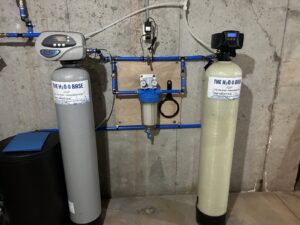
Once the results are understood, treatment decisions become much more straightforward. A water softener may help address hardness, sediment filtration can reduce suspended particles, and activated carbon may improve certain taste and odor concerns. Reverse osmosis systems can reduce a range of dissolved substances when properly selected and maintained.
The key is matching the treatment system to the actual water conditions. Installing several filters without understanding the problem can increase costs, complicate maintenance, and sometimes deliver little noticeable benefit.
A professional water assessment can help prioritize the concerns that matter most and identify appropriate technologies.
Turning Information Into Better Everyday Decisions
Water quality reports are most valuable when they help people make informed decisions rather than leave them with more questions. They offer a clearer picture of the water entering a home and can guide practical improvements where needed.
Not every household requires an elaborate treatment setup. Sometimes the results confirm that the water is already suitable for its intended use. In other cases, a simple targeted solution can make a noticeable difference.
Taking the time to understand your water is a sensible investment. With accurate testing, clear explanations, and the right guidance, those unfamiliar laboratory numbers can become useful information for protecting your plumbing, improving daily comfort, and making more confident choices about the water you use every day.