A guest may never ask what kind of wiring a hotel has, but they’ll certainly notice when something electrical goes wrong.
The room is too warm because the air conditioner stopped working. The bedside lamp refuses to turn on. The elevator pauses unexpectedly. The restaurant kitchen loses power during a busy dinner service. Suddenly, something that normally sits quietly behind walls and ceilings becomes the centre of attention.
That’s the strange thing about electricity in hospitality. When everything works, nobody thinks about it. When it doesn’t, everyone does.
Hotels, restaurants, cafés, resorts and other guest-focused businesses rely on electricity for almost every part of the experience. From lighting and heating to kitchens, security systems, lifts, laundry equipment and charging stations, electrical infrastructure has become a major part of running a modern property.
Guests Expect Things to Just Work
Hospitality is built around comfort. People arrive expecting a smooth experience, whether they’re checking into a hotel after a long journey or sitting down for dinner with friends.
A guest may not know why a room feels comfortable, but small details contribute to that feeling. The lights should be easy to control. Outlets should be conveniently located. Heating and cooling should respond properly. Common areas should be bright enough without feeling harsh.
This is one reason efficient electrical systems are so important. A well-planned installation can support daily operations reliably while helping a property manage its energy use and avoid unnecessary strain on equipment.
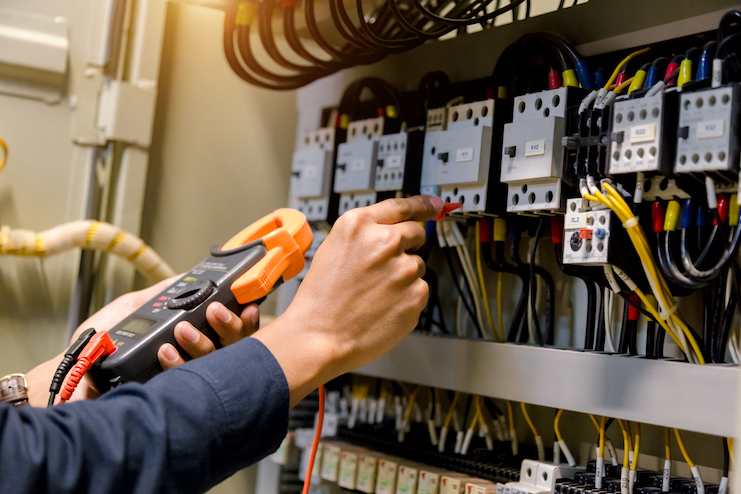
It’s not glamorous work, admittedly. Nobody posts photographs of a beautifully organised electrical panel on social media. But behind every comfortable guest experience, there’s a lot of infrastructure doing its job.
Lighting Sets the Mood
Lighting has a particularly interesting role in hospitality because it needs to serve both practical and emotional purposes.
A hotel lobby might use warm, layered lighting to create a welcoming first impression. A restaurant could use softer fixtures to encourage a relaxed evening atmosphere, while a conference room needs clear, functional illumination for presentations and meetings.
Outdoor areas need attention too. Pathways, entrances, parking areas and terraces should be sufficiently illuminated for guests and staff to move around comfortably after dark.
Modern LED lighting can offer flexibility in all these environments. Dimmers, sensors and automated controls can help staff adjust lighting according to the time of day or occupancy.
The trick is not to make everything brighter. It’s to make everything feel intentional.
Kitchens Are Electrical Workhorses
Anyone who has spent time around a busy commercial kitchen knows how much equipment is running at once.
Ovens, refrigerators, freezers, extraction systems, dishwashers, mixers, food processors and other appliances can create substantial electrical demand. During a busy service, there isn’t much tolerance for unexpected failures.
The electrical design therefore needs to account for equipment loads, circuit requirements and the way appliances are used throughout the day.
A restaurant owner shouldn’t have to discover an overloaded circuit because three high-powered appliances happen to be operating at the same time. Proper planning beforehand is much less painful than dealing with an emergency in the middle of dinner service.
And yes, maintenance matters here too. A small electrical issue can become a major operational headache when the kitchen is working flat out.
The Hospitality Industry Has Its Own Challenges
The hospitality industry operates differently from many other businesses because properties are often occupied for long hours, sometimes around the clock.
Hotels may have guests arriving late at night, staff working early mornings and facilities operating continuously. Restaurants can experience intense bursts of electrical demand during peak meal periods.
This means electrical systems need to be designed around real patterns of use, not simply the size of the building.
A quiet boutique hotel and a large resort may both provide accommodation, but their electrical requirements can be worlds apart. The same goes for a small café compared with a full-service restaurant.
Understanding those differences is where careful planning really pays off.
Energy Management Can Lower Operating Costs
Electricity is a significant operating expense for many hospitality businesses. Lighting, air conditioning, refrigeration, hot-water systems, laundry equipment and kitchen appliances can all contribute to consumption.
That makes energy management worth serious attention.
LED lighting is an obvious starting point, but there are other possibilities. Occupancy sensors can reduce lighting in unused areas. Timers can prevent exterior fixtures from operating unnecessarily. Smart controls may help manage heating, cooling and lighting according to actual occupancy.
Equipment should also be maintained properly. Dirty filters, failing motors and ageing appliances can sometimes consume more energy than expected.
Energy efficiency isn’t about making guests uncomfortable to save money. Quite the opposite. The goal is to use energy intelligently while maintaining the level of comfort people expect.
Safety Can’t Be Left to Chance
Hospitality properties have a responsibility to protect both guests and employees.
Electrical faults can create risks ranging from equipment damage to fire hazards and electric shock. Warning signs such as flickering lights, burning smells, unusual buzzing, warm outlets or frequently tripping breakers deserve prompt attention.
Electrical installations should be inspected and maintained by appropriately qualified professionals. Safety devices, grounding, circuit protection and other components need to be suitable for the property and its intended use.
Staff should also know how to report electrical problems. They don’t need to become electricians. They simply need to understand that an unusual smell from a socket isn’t something to ignore because “it’ll probably be fine.”
Usually, that’s how small problems become big ones.
Backup Power Is Worth Considering
Power outages are inconvenient in any business, but they can be particularly disruptive in hospitality.
Imagine a hotel losing power during check-in. Or a restaurant losing refrigeration. Or an event venue suddenly going dark during a function.
Backup power options vary depending on the property’s size and needs. Some businesses may benefit from UPS systems for sensitive electronics, while others may require generators or battery-based backup systems for essential loads.
The key is identifying what absolutely needs to remain operational.
Emergency lighting, security systems, communications equipment and critical refrigeration may take priority. A professional assessment can help determine which circuits should receive backup support.
Maintenance Is Cheaper Than Panic
Nobody wants to schedule electrical maintenance when everything appears to be working. It’s easy to postpone it.
But hospitality businesses can’t always afford that gamble.
Routine inspections can identify deteriorating wiring, loose connections, damaged equipment and overloaded circuits before they cause a disruption. Maintenance schedules should also reflect the intensity of use. A kitchen operating seven days a week needs a different approach from a small office used occasionally.
Keeping records helps too. Knowing when equipment was inspected, repaired or replaced makes it easier to spot recurring problems.
Choosing the Right Electrical Professionals
Not every electrician will have the same experience with commercial hospitality environments.
When choosing electrical services for a hotel, restaurant or similar property, look for professionals who understand commercial installations and the specific demands of the business.
Ask about qualifications, previous experience, safety practices and the scope of work. For larger projects, discuss scheduling carefully. Electrical work shouldn’t unnecessarily disrupt guest areas, restaurant service or important operations.
Good communication is often just as valuable as technical skill. A contractor who explains the problem clearly and works around your business can save considerable stress.
Build for Today, But Think About Tomorrow
Hospitality technology keeps evolving.
Electric vehicle chargers, smart-room controls, digital access systems, automated lighting, advanced security equipment and increasingly connected appliances are becoming more common.
A property undergoing renovation should think about future electrical requirements rather than designing solely around today’s equipment.
That doesn’t mean installing every possible technology. It means leaving enough capacity and flexibility to make future changes easier.
A little foresight during a renovation can prevent expensive modifications later.
The Best Electrical Infrastructure Is the Kind Guests Never Notice
Ultimately, reliable electrical infrastructure is part of the hospitality experience, even if guests never see it.
They notice the warm welcome, the comfortable room, the attractive lighting and the smoothly operating restaurant. They don’t see the wiring, circuit protection or maintenance schedule making those experiences possible.
And honestly, that’s how it should be.
Good electrical planning stays in the background. It supports staff, protects guests, controls operating costs and keeps the business moving when things get busy.
For hospitality businesses, that’s more than convenience. It’s part of delivering a dependable experience—one where everything works when it needs to, quietly and consistently, day after day.