
Your heating system probably isn’t something you think about every day. If the house is warm, the thermostat is set, and nothing is making a strange noise, it tends to disappear into the background. That’s the way most home equipment works—we notice it mostly when something goes wrong.
But heating systems don’t stay reliable by accident. They need attention, particularly in places where drastic temperature changes can put extra pressure on equipment. A little preparation and regular care can make the difference between a comfortable winter and an unexpected repair bill.
Your Heating System Works Harder Than You Think
When outdoor temperatures drop, your heating system may run for hours just to keep indoor temperatures steady. That’s a lot of work, especially for older equipment.
Dust and dirt can accumulate inside components. Filters become clogged. Moving parts experience normal wear. Even a small airflow restriction can make the system work harder than it should.
This doesn’t mean every heating system needs constant attention. It simply means that ignoring it for years isn’t a great strategy.
Why Routine Maintenance Is Worth Doing
Let’s be honest, routine maintenance isn’t the most exciting household task. There are probably a dozen things you’d rather be doing on a Saturday morning.
Still, regular inspections can help identify small problems before they turn into major ones. Depending on the system, a technician may inspect electrical connections, airflow, safety controls, burners, heat exchangers, moving parts, and other components.
Homeowners also have a role to play. Replacing filters when necessary, keeping vents clear, and making sure equipment isn’t surrounded by clutter are simple habits that can support better performance.
The idea isn’t to prevent every possible failure. That’s impossible. It’s to reduce avoidable problems.
Temperature Swings Can Put Extra Stress on Equipment
A heating system generally works hardest when the weather changes quickly. One day might feel relatively mild, while the next brings a sharp drop in temperature.
Those swings can cause longer operating cycles and more frequent adjustments. If the system already has a weak component, demanding conditions may expose the problem.
That’s why seasonal preparation is so useful. Checking the system before the coldest weather arrives gives you a chance to address concerns when they aren’t yet urgent.
It’s much nicer to discover a problem on a mild afternoon than at 2 a.m. on the coldest night of the year.
Thermostat Problems Can Be Surprisingly Confusing
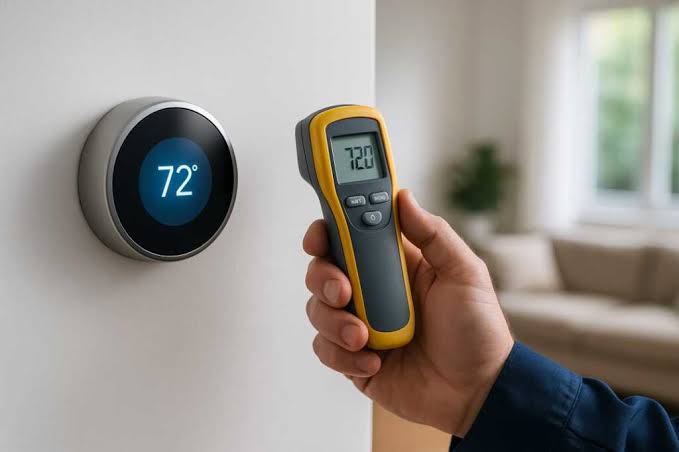
Sometimes the heating system itself isn’t the problem at all. thermostat issues can create symptoms that look like a larger equipment failure.
If the thermostat isn’t reading the temperature correctly, the heating system may turn on too often, shut off too soon, or fail to maintain the setting you’ve selected.
Before assuming something expensive has failed, check the basics. Make sure the thermostat is receiving power, the settings are correct, and batteries are replaced when needed.
If the temperature still doesn’t seem right, a professional can determine whether the thermostat or another part of the system is responsible.
Uneven Heating Has Several Possible Causes
A home where one room is warm and another is noticeably colder can be frustrating. You might assume the furnace isn’t powerful enough, but that’s only one possibility.
Blocked vents, ductwork leaks, insulation problems, poor airflow, and thermostat placement can all contribute to uneven temperatures.
Sometimes the solution isn’t replacing the heating equipment. A ductwork adjustment or airflow improvement may solve the issue.
That’s why proper diagnosis matters. Throwing a new system at every comfort problem isn’t always the smartest answer.
Pay Attention to Strange Sounds
Your heating system has normal operating sounds, and you probably recognize them without thinking about it.
A sudden banging, rattling, grinding, clicking, or squealing noise is different.
It could be something simple, such as a loose panel or debris. It could also point to a worn motor, blower problem, or another mechanical issue.
If the noise continues or gets louder, don’t simply turn up the television and hope it goes away. Getting the system checked can help prevent a minor issue from becoming a larger repair.
Rising Energy Bills May Be a Warning
Energy costs naturally vary throughout the year, but a noticeable increase without a clear reason deserves some attention.
An inefficient heating system may need to run longer to provide the same amount of warmth. Dirty filters, restricted airflow, aging components, poor insulation, and duct leaks can all contribute.
Before blaming the equipment, look at the entire home.
Cold air entering through gaps around windows and doors or heat escaping through poorly insulated areas can force the system to work harder. Improving the home’s efficiency may sometimes deliver better results than immediately replacing the heating unit.
When Should You Call a Professional?
Some maintenance tasks are simple enough for homeowners. Others aren’t.
Anything involving gas connections, electrical components, combustion equipment, or internal mechanical parts should generally be handled by qualified professionals.
If you notice smoke, a strong fuel odor, electrical sparking, unusual burning smells, or another obvious safety concern, stop using the system if it’s safe to do so and seek professional help.
Don’t take chances with heating equipment. A comfortable room isn’t worth risking your safety.
Repair or Replacement?
Eventually, every heating system gets older. The question is whether to keep repairing it or replace it.
A newer system with one isolated problem may be worth repairing without much hesitation. An older system with frequent breakdowns, rising energy costs, and declining performance requires more thought.
Consider the repair cost, equipment age, maintenance history, efficiency, and likely remaining lifespan.
A trustworthy HVAC professional can help you compare those factors instead of simply telling you what to buy. The best decision isn’t always the cheapest one today; it’s the one that makes sense over the next several years.
Preparing for the Season Ahead
The best time to think about your heating system is before you desperately need it.
Schedule an inspection when the weather is still manageable. Replace filters. Clear vents. Check your thermostat. Pay attention to unusual changes in performance.
These aren’t complicated steps, but they can give you greater confidence when winter arrives.
Your heating system doesn’t need to be perfect to keep you comfortable. It just needs to be properly maintained, correctly operated, and repaired when something genuinely goes wrong.
A little attention now can prevent a lot of frustration later. And when cold weather settles in outside, there’s something very comforting about knowing your home is ready for it.