Author: Admin

  • Sustainable Business Practices: Balancing Profit and Environmental Impact

    Sustainable Business Practices: Balancing Profit and Environmental Impact

    Introduction:

    • The growing importance of sustainability in business operations.

    Understanding Corporate Sustainability:

    • Defining sustainability and its three pillars: social, economic, environmental.
    • The business case for adopting sustainable practices.

    Reducing Environmental Footprint:

    • Implementing energy-efficient practices and renewable energy sources.
    • Minimizing waste, water usage, and carbon emissions.

    Supply Chain Sustainability:

    • Ensuring ethical sourcing and responsible supply chain management.
    • Supporting fair labor practices and minimizing negative impacts.

    Stakeholder Engagement:

    • Engaging with customers, employees, investors, and communities.
    • Transparency and accountability in sustainability reporting.

    Innovation for Sustainability:

    • Showcasing examples of companies using innovation to tackle environmental challenges.
    • Investing in sustainable research and development.

    Overcoming Challenges:

    • Balancing short-term profits with long-term sustainability goals.
    • Regulatory hurdles and financial implications of sustainability initiatives.

    Conclusion:

    • Emphasizing the need for businesses to embrace sustainability for a better future.
  • Data-Driven Decision Making: Leveraging Analytics for Business Growth

    Data-Driven Decision Making: Leveraging Analytics for Business Growth

    Introduction:

    • The role of data analytics in modern business strategies.

    The Power of Data Analytics:

    • Using data to gain insights and make informed decisions.
    • Real-world examples of data-driven successes.

    Collecting and Managing Data:

    • Strategies for collecting relevant and accurate data.
    • The importance of data quality and security.

    Analyzing and Interpreting Data:

    • Different types of data analysis (descriptive, predictive, prescriptive).
    • Turning data into actionable insights.

    Driving Business Strategy:

    • How data informs marketing, product development, and operations.
    • Adapting to changing customer needs and market trends.

    Challenges in Data Analytics:

    • Dealing with big data and information overload.
    • Addressing data privacy concerns and regulatory compliance.

    Cultivating a Data-Driven Culture:

    • Encouraging data literacy among employees.
    • Fostering a culture of experimentation and learning.

    Conclusion:

    • Emphasizing the transformative potential of data analytics for businesses.
  • Ethical Considerations in the Age of AI and Automation

    Ethical Considerations in the Age of AI and Automation

    Introduction:

    • Addressing the ethical challenges posed by AI and automation.

    Autonomous Decision-Making:

    • Discussing the implications of AI-driven decisions on human lives.
    • Ensuring transparency and accountability in automated systems.

    Job Disruption and Workforce Impact:

    • Automation’s effect on employment and job roles.
    • Strategies for upskilling and reskilling the workforce.

    Bias and Fairness in AI:

    • The issue of biased data and algorithmic discrimination.
    • Techniques for identifying and mitigating bias.

    Privacy and Data Ethics:

    • Balancing data collection for innovation with user privacy.
    • GDPR and other regulations in the digital age.

    AI in Warfare and Security:

    • Ethical considerations regarding AI in defense and security.
    • The need for international agreements on AI weaponization.

    Human-Machine Collaboration:

    • Exploring the ethical implications of human-AI partnerships.
    • Ensuring that technology serves humanity’s best interests.

    Conclusion:

    • Highlighting the importance of ethical frameworks in guiding AI and automation.
  • 5G Technology: Exploring the Potential and Impacts on Connectivity

    5G Technology: Exploring the Potential and Impacts on Connectivity

    Introduction:

    • Introduction to 5G technology and its significance.

    Understanding 5G:

    • Explaining the differences between 5G and previous generations.
    • The technical aspects that enable higher speeds and lower latency.

    Impacts on Connectivity:

    • Enhanced mobile experiences for users.
    • Facilitating Internet of Things (IoT) devices and smart cities.

    Industries and Applications:

    • Healthcare, transportation, entertainment, and more.
    • Real-time communication and augmented reality/virtual reality (AR/VR).

    Challenges and Concerns:

    • Infrastructure requirements and deployment challenges.
    • Privacy and security considerations.

    Global Adoption and Future Potential:

    • Current status of 5G rollout worldwide.
    • Speculating on future innovations and developments.

    Environmental Considerations:

    • Energy efficiency in 5G networks.
    • Balancing technological progress with sustainability.

    Conclusion:

    • Summarizing the transformative impact of 5G technology on connectivity.
  • User-Centered Design: Creating Intuitive and User-Friendly Software

    User-Centered Design: Creating Intuitive and User-Friendly Software

    Introduction:

    • The significance of user-centered design in today’s software development.

    Understanding the User:

    • Conducting user research and creating user personas.
    • Analyzing user behavior and needs.

    Design Thinking Approach:

    • Empathizing, defining, ideating, prototyping, and testing.
    • Iterative design based on user feedback.

    Creating Intuitive Interfaces:

    • Consistency in design elements and navigation.
    • Minimizing cognitive load through clear layouts.

    Accessibility and Inclusivity:

    • Designing for users with disabilities.
    • Ensuring a seamless experience for all users.

    Feedback Loops and Iteration:

    • Incorporating user feedback for continuous improvement.
    • Adapting to evolving user preferences.

    Collaboration in Design:

    • Involving cross-functional teams for diverse perspectives.
    • Balancing design aesthetics with usability.

    Conclusion:

    • Emphasizing the impact of user-centered design on user satisfaction.
  • The Art of Debugging: Strategies for Finding and Fixing Software Issues

    The Art of Debugging: Strategies for Finding and Fixing Software Issues

    Introduction:

    • The inevitability of bugs in software development.

    Understanding the Debugging Process:

    • Identifying different types of software issues.
    • The iterative nature of debugging.

    Effective Debugging Strategies:

    • Using debugging tools and integrated development environments (IDEs).
    • Analyzing error messages and logs.

    Isolating and Reproducing Bugs:

    • Creating minimal test cases.
    • Identifying factors that trigger the issue.

    Systematic Problem-Solving:

    • Binary search method for narrowing down problematic code.
    • Collaborative debugging in team environments.

    Preventing Future Bugs:

    • Code reviews and pair programming.
    • Automated testing and continuous integration.

    Learning from Debugging:

    • Gaining insights into software behavior and design.
    • Developing a resilient attitude towards debugging.

    Conclusion:

    • Highlighting the role of debugging in producing reliable software.
  • Creating a Productive Morning Routine: Setting the Tone for Your Day

    Creating a Productive Morning Routine: Setting the Tone for Your Day

    Introduction:

    • The importance of starting the day on the right note.

    Benefits of a Morning Routine:

    • Increased productivity and focus.
    • Improved mental and physical well-being.

    Designing Your Morning Routine:

    • Assessing personal goals and priorities.
    • Incorporating activities like exercise, meditation, and reading.

    Setting Up a Consistent Wake-Up Time:

    • The science of circadian rhythms.
    • Tips for establishing a consistent sleep-wake schedule.

    Mindful Mornings:

    • Practicing mindfulness and gratitude.
    • Avoiding digital distractions during the early hours.

    Balancing Flexibility and Routine:

    • Allowing for adjustments while maintaining key activities.
    • Adapting the routine to weekends and travel.

    Long-Term Benefits and Review:

    • Reflecting on the positive changes brought about by the routine.
    • Making necessary adjustments over time.

    Conclusion:

    • Emphasize the transformative power of a well-crafted morning routine.
  • The Joy of Cooking: Culinary Adventures and Homemade Delights

    The Joy of Cooking: Culinary Adventures and Homemade Delights

    Introduction:

    • Discuss the universal appeal of cooking and the joy it brings to people’s lives.

    Benefits of Cooking at Home:

    • Health benefits of cooking from scratch.
    • Customization of dishes to suit dietary preferences.

    Culinary Adventures and Creativity:

    • Experimenting with new ingredients and flavors.
    • Fusion cooking and cross-cultural exploration.

    Sharing the Experience:

    • Cooking as a social activity for friends and family.
    • Hosting dinner parties and potlucks.

    Therapeutic Nature of Cooking:

    • The calming effect of chopping, mixing, and cooking.
    • Mindfulness and being present while cooking.

    Learning and Growing:

    • Developing new skills and techniques in the kitchen.
    • Resources for learning cooking methods and recipes.

    Conclusion:

    • Summarize the joys of cooking and how it enriches our lives.
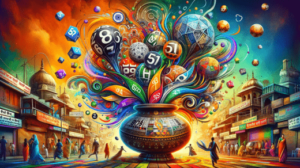
  • Indian Satta, Indian Matka, and the Final Ank: Unveiling the Thrills of Matka 420

    Indian Satta, Indian Matka, and the Final Ank: Unveiling the Thrills of Matka 420

    In the ever-evolving landscape of online entertainment and gambling, the world of Indian Satta, indian matka, and the elusive Final Ank has gained immense popularity. This article delves deep into these intriguing games, shedding light on their origins, rules, strategies, and the thrill that keeps enthusiasts hooked.

    The Origins of Indian Satta

    Indian Satta, often referred to as Satta Matka, has a rich and colorful history that dates back to the pre-independence era of India. The game’s roots can be traced to the practice of betting on the opening and closing rates of cotton transmitted from the New York Cotton Exchange to the Bombay Cotton Exchange.

    Over time, Satta Matka evolved into a full-fledged gambling game that captured the imagination of people across India. It became a staple in the lives of many, offering an exciting blend of luck, strategy, and suspense.

    Unveiling Indian Matka

    Indian Matka is a variant of the Satta Matka game that has its unique set of rules and characteristics. The game is known for its simplicity and accessibility, making it a favorite among beginners and seasoned gamblers alike.

    Rules of Indian Matka

    1. Choosing Numbers: Players select three numbers from 0 to 9, which are then added to create a final number. For example, if a player chooses 2, 3, and 5, the final number would be 2 + 3 + 5 = 10. The player’s Matka Jodi is the last digit of this total, i.e., 0.
    2. Betting: Participants place their bets on the selected numbers, and the winning number is determined through a draw. The game’s simplicity and the potential for substantial winnings have made it a sought-after pastime.

    The Fascination with Final Ank

    In the world of Satta and Matka, the term “final ank” holds immense significance. It refers to the final digit or the last digit of the daily result that is declared. Final Ank plays a crucial role in determining the outcome of bets and wagers.

    Strategies for Cracking the Final Ank

    1. Analyzing Past Results: Many experienced players meticulously analyze past results to identify patterns and trends. This analytical approach can help them make informed decisions when placing their bets.
    2. Using Mathematical Formulas: Some players rely on mathematical formulas and calculations to predict the Final Ank. While this approach requires a deep understanding of probability and mathematics, it can be highly rewarding.

    Matka 420: A Unique Twist

    Matka 420 is a variant of the traditional Satta Matka game that adds an extra layer of excitement to the proceedings. It is characterized by its unconventional rules and the potential for even larger payouts.

    Key Features of Matka 420

    1. Extended Betting Options: Matka 420 offers a wide range of betting options, allowing players to wager on various outcomes. This diversity keeps the game engaging and thrilling.
    2. High Stakes: With the possibility of substantial winnings, Matka 420 attracts both seasoned gamblers and newcomers looking for a shot at fortune.

    In conclusion, Indian Satta, Indian Matka, Final Ank, and Matka 420 represent a captivating world of online entertainment and gambling. With their unique rules, strategies, and the allure of significant winnings, these games have become a source of fascination for enthusiasts around the world.