Water is part of nearly everything we do at home. We drink it, cook with it, wash clothes in it, and rely on it for showers and cleaning. Because it arrives at the turn of a handle, it’s easy to assume the water is fine and move on with the day. But changes in taste, mineral deposits, or concerns about contaminants can leave homeowners wondering whether their water needs attention.
The answer isn’t always to buy a filter. Different water problems call for different solutions, and some aren’t visible or noticeable at all. A sensible first step is to understand what’s in the water, then decide whether treatment would make a meaningful difference.
Why Water Testing Is Worth Considering
Household water can contain naturally occurring minerals, disinfectants, sediment, and other substances that vary by location and water source. Municipal water suppliers generally treat and monitor public drinking water, but water quality can also be influenced by plumbing inside a building. Private wells have different responsibilities and may need more frequent testing because their quality can change over time.
A water test helps replace guesswork with information. It can check common characteristics such as hardness, pH, iron, and chlorine, while specialised tests can look for specific contaminants. The right test depends on whether the water comes from a public supply or a private well, what problems you’ve noticed, and whether there are local concerns worth investigating.
Some providers advertise free water testing as a way to help homeowners understand their water. This can be a useful starting point, particularly when it includes a clear explanation of the results. Before agreeing to a test, ask what it measures, whether it is performed on-site or by a laboratory, and whether there is any obligation to purchase equipment afterward.
A basic screening isn’t the same as a comprehensive laboratory analysis. If you are concerned about a particular contaminant, confirm that the testing method is designed to detect it. A general demonstration or a single reading may not answer every question about drinking water safety.
Understanding the Results Without Getting Overwhelmed
Water reports can look technical at first. They may include measurements, units, recommended limits, and unfamiliar chemical names. Don’t feel you need to understand everything immediately. Start with the substances actually measured and ask what the results mean for your household.
Hardness, for example, is commonly associated with calcium and magnesium. These minerals can leave spots on glassware, reduce soap lather, and contribute to scale inside pipes and appliances. Iron may cause orange-brown stains, while sediment can affect clarity. Chlorine, used to disinfect many public water supplies, can sometimes influence taste or smell.
It’s important to separate aesthetic concerns from health-related ones. A mineral deposit may be frustrating without necessarily indicating a health risk. Conversely, some contaminants cannot be seen, smelled, or tasted. Appearance alone isn’t a reliable way to determine whether water is safe to drink.
If results identify a concern, discuss the findings with a qualified water professional or the relevant public health authority. Treatment should be based on measured conditions, not on broad claims that all tap water is harmful.
What to Know About PFAS and Drinking Water
Per- and polyfluoroalkyl substances, commonly known as PFAS, are a large group of human-made chemicals used in various industrial and consumer applications. Some PFAS persist in the environment, and certain types have been associated with health concerns. Whether they are present in a particular water supply depends on local conditions and potential sources of contamination.
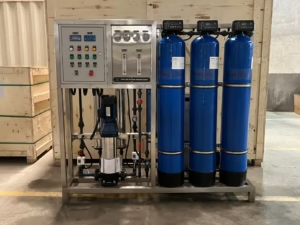
If testing indicates PFAS may be present, choose treatment carefully. PFAS water filtration systems may use technologies such as activated carbon, ion exchange, or reverse osmosis, depending on the system design and the specific PFAS compounds involved. Performance can vary significantly, so look for independent certification or test data that identifies which substances the system has been evaluated to reduce.
Maintenance is just as important as initial performance. A filter that has reached the end of its service life may not work as intended. Follow replacement schedules, keep records, and make sure treated water is retested when appropriate. If your local water provider has published information about PFAS monitoring, review it alongside any household test results.
Avoid assuming that a generic filter removes every PFAS compound. Ask the manufacturer for evidence that supports the specific treatment claims, and consider professional guidance if the results are difficult to interpret.
When Hard Water Is the Main Problem
Not every water concern involves a contaminant. In many homes, the biggest nuisance is simply hard water. White scale around taps, spots on shower doors, and stiff-feeling laundry can all become part of the weekly cleaning routine. These signs may suggest that mineral levels are high enough to affect daily use.
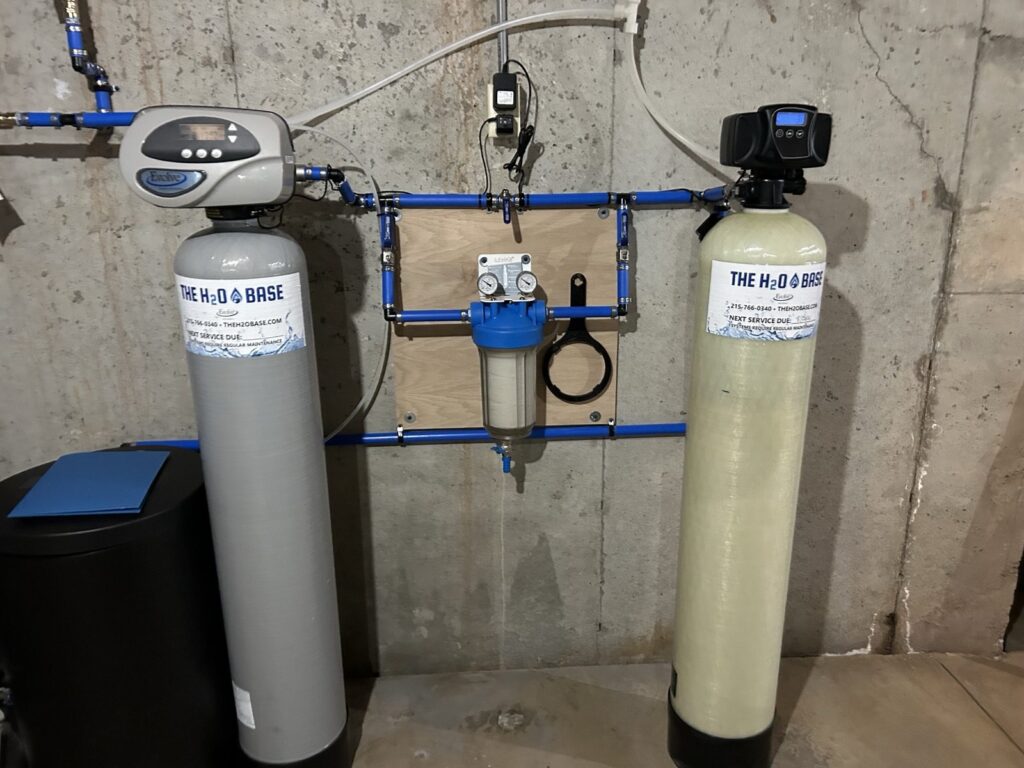
In that situation, water softeners may be worth considering. Conventional ion-exchange softeners reduce hardness by replacing calcium and magnesium ions with sodium or potassium ions. The result can be less scale buildup and improved soap performance, although the effect depends on the home’s water conditions and the system’s setup.
A softener isn’t a universal water purifier. It generally isn’t designed to remove every contaminant, and it may not be necessary if hardness is low or causes few problems. Homeowners should also consider salt or potassium use, wastewater, maintenance, and local installation requirements before choosing a system.
Sometimes a sediment filter or a drinking-water filter is the more relevant option. The goal is to match the equipment to the issue rather than install several systems simply because they are available.
Choosing Treatment That Fits Your Household
Once the water has been tested and the main concern is clear, compare treatment options with a practical eye. Consider the amount of water your household uses, available installation space, flow rate, maintenance needs, and the cost of replacement filters or other supplies.
Ask providers to explain what a proposed system will and won’t do. Look for independent certifications relevant to the contaminant or water characteristic you want to address. A clear quote should outline equipment, installation, maintenance, and any additional work required. It’s also reasonable to ask whether the problem can be addressed through plumbing repairs or a smaller point-of-use filter instead of a whole-home system.
Be cautious of pressure to make an immediate purchase. Good water treatment should be based on evidence and realistic expectations, not fear. Take time to compare options and keep a copy of your water test results so you can make an informed decision.
A More Confident Approach to Everyday Water
You don’t have to become a water-quality expert to make a good decision for your home. Start by paying attention to changes, test for the concerns that matter, and seek reliable guidance when the results raise questions. Then choose treatment that addresses a documented need and can be maintained properly.
Clean, dependable water is important, but the path to it doesn’t need to be complicated. A little testing and thoughtful comparison can help you spend wisely, avoid unnecessary equipment, and feel more confident about the water you use every day.