Walk into a busy office, restaurant, retail store or warehouse on a hot afternoon, and you probably won’t think about the HVAC system. You’ll notice the comfortable temperature, maybe. But you won’t think about the equipment quietly working behind the scenes.
That changes quickly when something stops working.
A warm office can make people miserable. A restaurant with poor ventilation can become uncomfortable for staff and customers. In a commercial property, even a few hours without proper temperature control can disrupt normal operations. That’s why commercial HVAC isn’t really just about heating and cooling. It’s about keeping a business running.
The smartest approach combines good equipment, careful installation, prompt repairs and ongoing attention. None of these things are particularly glamorous, but together they can save money and prevent a lot of unnecessary stress.
Installation Sets the Tone
A commercial HVAC system is a major investment, and the installation process deserves more attention than simply getting the equipment switched on.
Professional commercial hvac installation starts with understanding the building. The size and layout of the property, insulation, windows, occupancy levels, ventilation needs and intended use can all influence equipment selection.
A restaurant kitchen, for example, has very different requirements from a small office. A warehouse may have high ceilings and large doors that affect temperature control. Installing the same type of system everywhere isn’t necessarily a sensible approach.
Sizing matters too. An undersized system may run continuously without maintaining comfortable temperatures. An oversized system can cycle too often and may not control humidity effectively.
Good installation is about matching the system to the property, not simply choosing the largest or most expensive equipment available.
Small Problems Have a Way of Growing
Commercial HVAC equipment usually doesn’t fail because it woke up one morning and decided to ruin someone’s day. There are often warning signs.
Maybe the system takes longer to cool the building. Perhaps certain rooms are noticeably warmer than others. You might hear an unusual rattling sound, notice strange odors or see an unexpected jump in energy consumption.
These changes are easy to dismiss when everything is technically still working.
But ignoring them can be costly. A worn component can place additional strain on other parts. Restricted airflow can make equipment work harder. Electrical problems may become more serious if they’re left unchecked.
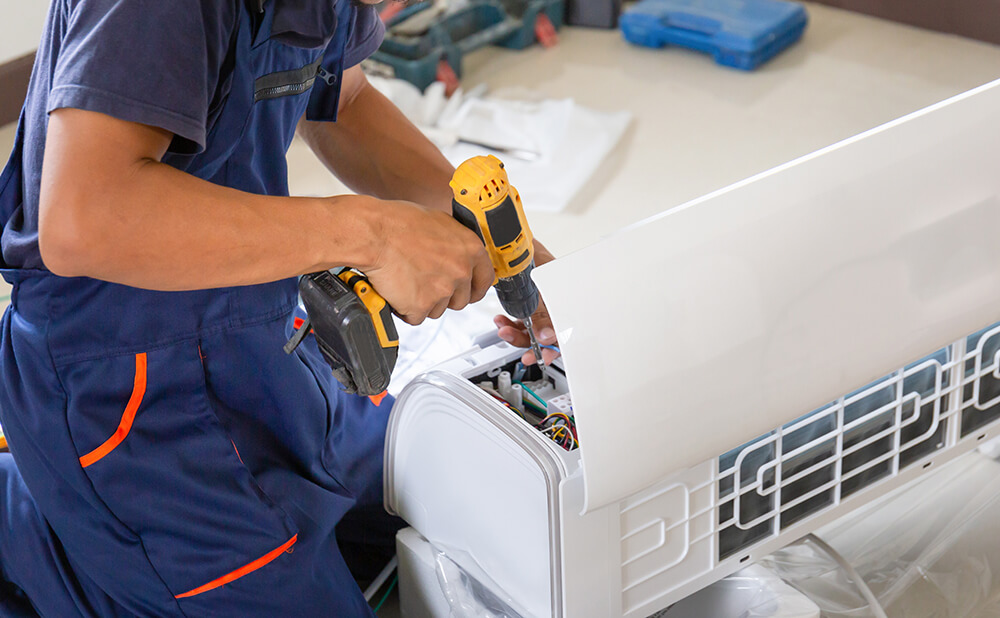
This is where expert hvac repair services can make a real difference. A qualified technician can diagnose the underlying problem instead of simply replacing parts and hoping for the best.
Repair or Replace? It’s Not Always Obvious
One of the harder decisions for a business owner is knowing when an HVAC system should be repaired and when replacement makes more financial sense.
If a relatively young system needs a minor repair, the answer may be straightforward. Older equipment is more complicated. If it has required several repairs recently, operates inefficiently and relies on difficult-to-find parts, continuing to fix it may not be the most economical choice.
A good HVAC professional should help you weigh those factors.
Ask about the estimated repair cost, the expected remaining lifespan of the equipment and how efficient the system is likely to be after the repair. You don’t necessarily need the newest model. You need a solution that makes sense for your building and budget.
Maintenance Isn’t Something to Do “Someday”
Maintenance is easy to postpone. There is always another business task that feels more urgent.
Yet regular maintenance can be one of the simplest ways to protect commercial HVAC equipment.
Routine inspections can identify dirty coils, clogged filters, worn belts, electrical problems, airflow restrictions and other issues before they become major failures. Maintenance can also help ensure that safety controls and thermostats are functioning correctly.
The timing depends on the equipment and how heavily it is used. A system running long hours in a busy commercial building may need more attention than equipment used occasionally.
The important thing is consistency.
Energy Efficiency Goes Beyond Buying an Efficient Unit
It’s common to focus on efficiency ratings when purchasing new HVAC equipment. That’s sensible, but the equipment’s rating isn’t the whole story.
Installation quality, maintenance, building insulation, ductwork and thermostat settings can all influence actual energy consumption.
For example, a system can be highly efficient on paper but still waste energy if air is escaping through poorly sealed ductwork. Likewise, equipment covered in dirt and debris may have to work harder than it should.
Simple operational changes can help, too. Adjusting temperature settings outside business hours, using programmable controls and keeping doors and windows properly closed can reduce unnecessary demand.
There isn’t one magic trick. Efficiency is usually the result of several sensible choices working together.
Comfort Has a Business Impact
Temperature isn’t merely a technical concern. It affects people.
Employees who are too hot or too cold may find it harder to concentrate. Customers may spend less time in an uncomfortable store or restaurant. In some industries, temperature control is essential for protecting products and equipment.
That means HVAC performance can quietly influence the overall experience inside a building.
A comfortable environment doesn’t need to feel remarkable. In fact, the best systems are often the ones people barely notice. They simply maintain a steady temperature without constant noise, unpleasant odors or sudden fluctuations.
Don’t Forget Indoor Air Quality
Modern commercial HVAC systems do more than change the temperature. They can also play an important role in ventilation and indoor air quality.
Filters need to be replaced or cleaned as appropriate. Ventilation systems should be inspected. Airflow needs to be balanced, particularly in larger buildings with different occupancy levels.
Poor indoor air quality can make a workplace feel stuffy and unpleasant. Dust and airborne particles can also become a concern when filtration or ventilation isn’t properly maintained.
If employees repeatedly complain about stale air, unusual odors or uncomfortable humidity, don’t automatically assume they’re being picky. There may be an actual building-system issue worth investigating.
Choosing the Right HVAC Contractor
The contractor you choose can be almost as important as the equipment itself.
Look for experience with commercial properties similar to yours. Ask about licensing, insurance, warranties and emergency support. It can also be useful to check customer reviews, but don’t rely entirely on star ratings.
Pay attention to communication.
Does the contractor explain the problem clearly? Do they provide a detailed estimate? Are they willing to answer questions without making you feel like you’re wasting their time?
Good communication matters particularly when expensive repairs or equipment replacements are involved. You should understand what you’re paying for.
Think Long Term
Commercial HVAC isn’t a one-time purchase. Even a high-quality system will eventually need maintenance, repairs and eventually replacement.
Planning for that reality can make ownership much easier.
Keep records of maintenance and repairs. Pay attention to recurring problems. Ask your HVAC provider about the expected lifespan of major equipment. If replacement is likely within a few years, start budgeting before an emergency forces the decision.
A little preparation gives you choices. An unexpected breakdown tends to take those choices away.
Reliable HVAC Is Good Business
Nobody starts a business because they love maintaining air-conditioning equipment. That’s not the point.
The point is that dependable HVAC supports everything else. It helps employees work comfortably, keeps customers at ease and protects the building’s equipment and operations.
Commercial HVAC works best when installation, repairs and maintenance are treated as parts of the same bigger picture. Don’t wait until the system fails completely before paying attention.
Listen to the warning signs. Schedule inspections. Work with people you trust. And when the time comes to replace aging equipment, make the decision based on long-term value rather than today’s cheapest quote.
The best HVAC system is the one that quietly does its job, day after day, without becoming tomorrow’s emergency.