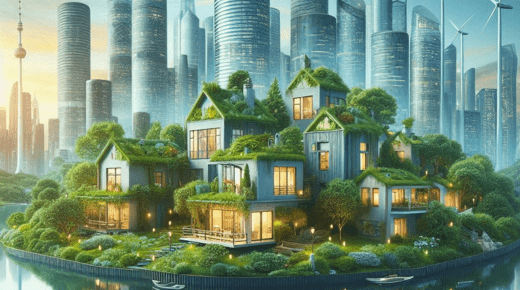
Every time I walk past a construction site, I can’t help but think about the environmental impact of traditional building methods. With climate change becoming an ever-pressing issue, it’s clear that we need to rethink how we construct our buildings. That’s where green building practices come in, offering sustainable alternatives that not only reduce environmental footprints but also promote healthier living spaces.
Green building isn’t just a trend; it’s a necessity for a sustainable future. From energy-efficient designs to the use of eco-friendly materials, these practices aim to minimize waste and maximize resource efficiency. By adopting these methods, we can create structures that are not only kinder to the planet but also more cost-effective in the long run.
For travelers interested in exploring destinations that prioritize sustainable architecture and eco-friendly development, visit sustainable travel destinations to find eco-conscious travel options that align with green building principles.
Understanding Green Building Practices
Green building practices focus on creating energy-efficient, eco-friendly structures to reduce environmental impact. These practices can be broken down into key elements:
Energy Efficiency
Energy-efficient designs incorporate advanced insulation, energy-saving appliances, and renewable energy sources like solar panels. This reduces a building’s energy consumption and lowers utility costs. For instance, buildings with passive solar design use natural light and heat, minimizing the reliance on artificial lighting and heating systems.
Sustainable Materials
Using sustainable materials is crucial in green building practices. Materials such as reclaimed wood, recycled metal, and bamboo are often selected for their low environmental impact and durability. These resources reduce the demand for new raw materials and decrease waste.
Water Conservation
Effective water conservation strategies include low-flow fixtures, rainwater harvesting systems, and greywater recycling. These measures significantly reduce water usage in buildings, promoting sustainability. For example, greywater recycling systems treat and reuse water from sinks and showers for irrigation and flushing toilets.
Indoor Air Quality
Improving indoor air quality involves using non-toxic materials, ensuring proper ventilation, and incorporating plants that filter indoor air. These practices create healthier living environments by reducing pollutants and allergens. For instance, using low-VOC paints and finishes helps to maintain clean indoor air.
Waste Reduction
Construction and demolition waste contribute to landfill overflow, so green building practices emphasize minimizing waste. Strategies include recycling on-site waste, prefabrication, and designing buildings for deconstruction. Prefabricated construction components can reduce waste by up to 90%.
Site Selection and Development
Choosing environmentally responsible sites and managing them sustainably is essential. Practices include preserving existing vegetation, reducing site disturbance, and avoiding areas prone to natural disasters. Green roofs, which are covered with vegetation, help manage stormwater, reduce heat island effect, and provide insulation.
By combining these elements, green building practices aim to create environmentally sustainable, cost-effective, and healthy living spaces.
Benefits of Green Building
Green building practices offer numerous advantages that extend across environmental, economic, and social aspects. By implementing these practices, we can create a sustainable future while enjoying immediate and long-term benefits.
Environmental Benefits
Green buildings significantly reduce environmental impact. They reduce energy consumption through efficient systems like solar panels and highly insulated windows. Buildings using sustainable materials (e.g., reclaimed wood, bamboo) decrease resource depletion. Water conservation techniques, like rainwater harvesting, preserve natural water sources. Strategies like these lead to fewer greenhouse gas emissions and a healthier ecosystem.
Economic Benefits
Green buildings reduce operational costs. Energy-efficient designs lower utility bills by up to 30%. Renewable energy sources such as solar panels can further cut expenses. These buildings have higher property values, attracting more buyers and tenants. Maintenance costs are reduced through the use of durable, sustainable materials.
Social Benefits
Green buildings enhance occupants’ health and well-being. Improved indoor air quality results from using non-toxic materials and proper ventilation systems. Natural lighting and green spaces contribute to physical comfort and mental well-being. Communities benefit from reduced urban heat islands and increased green spaces, fostering social cohesion.
Key Green Building Techniques
To achieve a sustainable future, understanding key green building techniques is essential. These techniques focus on minimizing environmental impact while enhancing building efficiency and occupant well-being.
Energy Efficiency
Energy efficiency lies at the core of green building practices. Using advanced insulation materials, integrating energy-efficient HVAC systems, and installing LED lighting significantly reduce energy consumption. For instance, Energy Star-rated appliances can cut energy use by up to 50%. Optimizing building orientation and using passive solar design to leverage natural light reduces the need for artificial lighting and heating.
Water Conservation
Water conservation is another critical element. Implementing low-flow fixtures, dual-flush toilets, and smart irrigation systems helps save water. Rainwater harvesting systems collect and store rainwater for non-potable uses like landscaping. Greywater recycling systems treat and reuse wastewater from showers, sinks, and laundry for irrigation and flushing toilets. These systems have shown to reduce water usage by up to 30%.
Sustainable Materials
Sustainable materials enhance green building credentials. Using materials with low environmental impact, renewable resources, and recycled content is crucial. Bamboo, recycled steel, and reclaimed wood are popular choices due to their durability and minimal ecological footprint. Additionally, low-VOC (volatile organic compounds) paints and finishes improve indoor air quality, contributing to healthier living spaces. Making informed choices about materials ensures long-term sustainability and reduced environmental impact.
Certifications and Standards
Certifications and standards guide the implementation of green building practices, ensuring buildings meet specific sustainability criteria.
LEED Certification
LEED (Leadership in Energy and Environmental Design) certification is managed by the U.S. Green Building Council. It recognizes buildings that achieve high performance in sustainability areas. LEED certification levels include Certified, Silver, Gold, and Platinum. Each level requires earning points in sustainable site development, water savings, energy efficiency, materials selection, and indoor environmental quality. For instance, incorporating renewable energy sources like solar panels can earn additional points.
BREEAM Standards
BREEAM (Building Research Establishment Environmental Assessment Method) is a leading green building certification system in the UK. It evaluates buildings at design, construction, and operation stages. BREEAM ranks buildings as Pass, Good, Very Good, Excellent, or Outstanding. It assesses factors like energy use, health and well-being, pollution, transport, materials, waste, water, and management processes. For example, optimizing public transport access and reducing emissions can improve BREEAM ratings.
Living Building Challenge
The Living Building Challenge, managed by the International Living Future Institute, is one of the most rigorous green building certifications. It focuses on regenerative design and sustainability beyond conventional practices. Certification requires meeting seven performance areas, or “Petals”: Place, Water, Energy, Health and Happiness, Materials, Equity, and Beauty. Each Petal includes specific imperatives such as net-zero energy, net-zero water, and creating healthy indoor environments. For example, using non-toxic, locally sourced materials aligns with Living Building Challenge standards.
Case Studies
Green building practices offer tangible benefits, illustrated by numerous projects worldwide. These case studies demonstrate practical applications and successes in sustainable construction.
Notable Green Buildings Worldwide
- The Edge, Amsterdam: This office building is often cited as the greenest building globally. It integrates energy efficiency through smart technology and solar panels. The use of daylight and a high-efficiency ventilation system contribute to its BREEAM certification.
- One Bryant Park, New York City: It’s one of the first skyscrapers to achieve a LEED Platinum certification. The building features a cogeneration plant, rainwater harvesting systems, and low-emitting materials to enhance indoor air quality.
- Bosco Verticale, Milan: Known as the “Vertical Forest,” these residential towers house over 900 trees and 20,000 plants. The greenery improves air quality and serves as an insulating layer, reducing energy needs.
- Pixel Building, Melbourne: This commercial office building uses on-site energy generation from wind and solar power. It also boasts a carbon-neutral status through advanced water harvesting systems and green construction materials.
- Bullitt Center, Seattle: Dubbed the “World’s Greenest Commercial Building,” it operates on a net-zero energy basis. Lessons learned include the importance of occupant engagement in maintaining energy efficiency.
- BedZED, London: This eco-village demonstrates the effectiveness of community-based designs. It incorporates renewable energy, water conservation, and green urban planning principles. The key lesson was integrating sustainable living with community development.
- CopenHill, Copenhagen: This waste-to-energy plant also serves as a recreational space. It highlights the benefit of multifunctional designs in urban planning, combining sustainability with community spaces.
- Singapore’s Gardens by the Bay: These gardens integrate environmental and educational aspects. Their success underlined the value of blending natural ecosystems with urban infrastructure to enhance biodiversity and public awareness.
These case studies provide insights into the practical application of green building practices, offering models to replicate and lessons to learn from for a more sustainable future.
Challenges and Solutions
Developing green buildings faces many obstacles, but addressing these can lead to sustainable and efficient designs.
Common Challenges
High Initial Costs
The initial investment for green building materials, like solar panels and high-efficiency HVAC systems, often exceeds that of traditional materials. This can make stakeholders hesitant to invest, especially if the long-term benefits aren’t immediately clear.
Lack of Awareness
Many developers and property owners aren’t fully informed about the benefits and techniques of green building practices. This lack of knowledge can result in resistance to adopting sustainable methods.
Complexity of Implementation
Incorporating green practices into existing construction processes can be complicated. Misalignment between architects, engineers, and contractors can lead to implementation delays and increased costs.
Regulatory Barriers
Regulatory frameworks sometimes do not support or incentivize green building practices. This can create additional hurdles for developers aiming to implement sustainable construction methods.
Innovative Solutions
Financial Incentives
Governments and organizations can offer tax breaks, grants, and rebates to lower the initial cost barrier for green building projects. This encourages investment in sustainable materials by making them financially attractive.
Educational Programs
Providing training and resources for developers, architects, and property owners increases awareness and understanding of green building benefits and techniques. This ensures more widespread adoption of sustainable practices.
Integrated Project Delivery
Adopting integrated project delivery (IPD) methods enhances collaboration among all parties involved. This unified approach reduces complexities and streamlines the implementation of green practices.
Supportive Policies
Policymakers can introduce regulations and incentives that encourage sustainable construction. Examples include green building certifications and performance standards that align with environmental goals.
Addressing these challenges with innovative solutions ensures the successful integration of green building practices, paving the way for a more sustainable future.
Future Trends in Green Building
As the construction industry evolves, green building practices continue to advance, driven by technological innovations and regulatory changes.
Emerging Technologies
Green buildings increasingly integrate cutting-edge technologies. Building Information Modeling (BIM) enables more efficient design and construction processes, reducing waste and improving sustainability. Smart building systems, like IoT sensors and automated energy management, enhance energy efficiency and occupant comfort. Advanced materials, such as self-healing concrete and phase-change materials, enhance building longevity and performance. Renewable energy technologies, including photovoltaic glass and building-integrated wind turbines, provide sustainable energy solutions integrated into building designs.
Policy and Regulation Changes
Governments and institutions worldwide are implementing policies to promote green building practices. Stricter building codes mandate energy-efficient designs and materials. Financial incentives, such as tax credits and grants, encourage developers to adopt sustainable practices. Green certification programs, including LEED and BREEAM, provide frameworks for assessing and improving building performance. Urban planning changes, like zoning laws and density bonuses, support sustainable community development by integrating green spaces and mixed-use zones.
Industries adapting to these trends are poised to create environmentally friendly and resilient infrastructures.