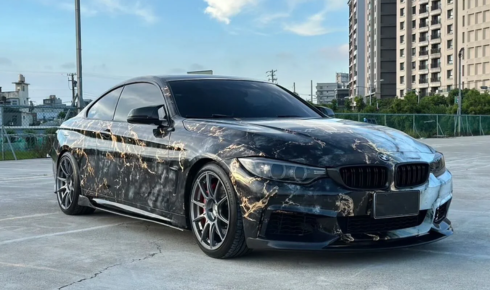
A vehicle wrap can change the whole personality of a car, van, or truck. One day it is just another plain vehicle in traffic. The next day, it is carrying a brand, a message, a phone number, and a first impression that keeps working every time it moves. That is the beauty of wraps. They are practical, visible, and surprisingly powerful when done well.
But a wrap is not only about colour and graphics. The real quality sits in the details people may not notice at first: how smoothly the film sits on the body, how clean the edges look, whether the design stays readable, and how well the material handles daily use. A sharp wrap should not just look good in photos. It should look good on the road, in sunlight, in rain, and after many washes.
Why Installation Is Not a Small Detail
A great design can still fail if the application is careless. That is why professional installation matters so much. Vehicles are full of curves, seams, handles, mirrors, bumpers, and tricky panel lines. Applying vinyl over those areas takes patience, the right tools, and a proper understanding of how the material behaves.
Good installers know how much the vinyl can stretch, where heat should be used, and how to finish edges so they do not lift too soon. They also prepare the vehicle properly before the wrap goes on. Dirt, wax, grease, or old adhesive can interfere with the bond. It is not glamorous work, but that preparation is one of the reasons a wrap lasts.
A Wrap Should Fit the Vehicle Naturally
A vehicle is never a flat canvas. A design that looks perfect on a computer screen can become awkward once it meets door gaps, curved panels, fuel caps, and wheel arches. This is why planning matters before printing begins.
The logo should sit where people can see it clearly. Phone numbers should not bend across awkward corners. Important text should stay away from handles and panel breaks. The best wraps feel like they were designed for that exact vehicle, not forced onto it at the last minute.
Flexibility Without Permanent Commitment
One of the useful things about removable vinyl is that it gives businesses and vehicle owners flexibility. A company can update its branding, change a campaign, refresh an old design, or return a leased vehicle closer to its original appearance when the time comes.
Of course, proper removal depends on the condition of the vehicle paint, the quality of the film, how long the wrap has been installed, and how it was maintained. Still, compared with permanent paint changes, vinyl wraps offer a practical way to transform a vehicle without locking into one look forever. That makes them especially appealing for growing brands.
Material Quality Shapes the Final Result
Not all wrap films behave the same way. Some are better suited for short-term flat graphics, while others are built for the demands of vehicle surfaces. A high-quality film can conform more smoothly around curves, resist lifting, and hold colour better over time.
A premium automotive wrap should support both appearance and performance. It should allow clean installation, strong outdoor durability, and a finish that makes the vehicle look polished rather than patched together. Whether the goal is a full colour change, commercial branding, or a partial graphic layout, the material choice has a major effect on the final impression.
Design Still Needs to Be Clear
It is tempting to add everything to a vehicle wrap — every service, every social media handle, every special offer, and maybe a long slogan too. But people usually see wraps quickly, often while driving. Too much information can make the design harder to read.
Simple designs often work better. A clear business name, strong logo, short service description, phone number, and website are usually enough. Good contrast helps, especially from a distance. The wrap should make it easy for someone to understand who you are and what you do within seconds.
Care Helps Protect the Wrap
Even a well-installed wrap needs basic maintenance. Gentle washing helps remove dirt, road grime, bird droppings, and pollutants before they wear down the surface. Harsh chemicals, abrasive brushes, and aggressive pressure washing near edges can shorten the life of the wrap.
Parking in shade when possible can also help reduce long-term sun exposure. For work vehicles, that is not always realistic, and that is fine. But small habits still make a difference. A wrap is a business asset, so caring for it properly helps protect the investment.
A Moving Impression That Keeps Working
The real value of a vehicle wrap is not just the moment it is installed. It is the daily exposure that follows. A wrapped van outside a customer’s home, a branded truck at a job site, or a clean company car parked near a busy road can build recognition quietly over time.
In the end, the best wraps come from the right mix of design, material, installation, and care. When those pieces work together, the vehicle becomes more than transport. It becomes a steady, professional part of the brand.
