Water problems don’t always look like problems at first. Maybe the shower pressure feels weaker than it used to. Perhaps the kitchen tap slows down when someone starts the washing machine. Or, on a busy morning, you discover that the water system simply can’t keep up with everyone in the house.
These little frustrations can point to something bigger: the way water is moved, stored, and delivered throughout a property matters just as much as the quality of the water itself. A good treatment system can improve water quality, but if pressure and storage aren’t handled properly, the experience can still be disappointing.
Water Quality Is Only Half the Story
When homeowners think about water treatment, filtration and softening usually come to mind first. That’s understandable. Nobody wants unpleasant-tasting water or mineral buildup.
But there is another side to the equation: getting that treated water where it needs to go at the right pressure and at the right time.
A home with several bathrooms, appliances, or high water demand may need a different setup than a small household. Well-water systems can have additional requirements because water must be drawn from the well, pressurized, and stored before it reaches the fixtures.
This is where system design becomes important.
The Role of a Pump
For properties that rely on wells or other private water sources, a pump is often the part doing the heavy lifting. It moves water from its source into the home’s plumbing system or storage arrangement.
Choosing the right pump isn’t simply about buying one with the highest horsepower. The pump needs to match the well characteristics, water demand, depth, pipe size, and pressure requirements of the property.
An undersized pump may struggle to maintain adequate flow. An oversized one can create unnecessary cycling or place additional stress on the system.
In other words, bigger isn’t automatically better. The goal is balance.
Why Pressure and Storage Matter
Imagine turning on a shower and getting excellent pressure for thirty seconds, only for it to drop noticeably when another faucet opens. That’s not exactly the relaxing start to the morning most people have in mind.
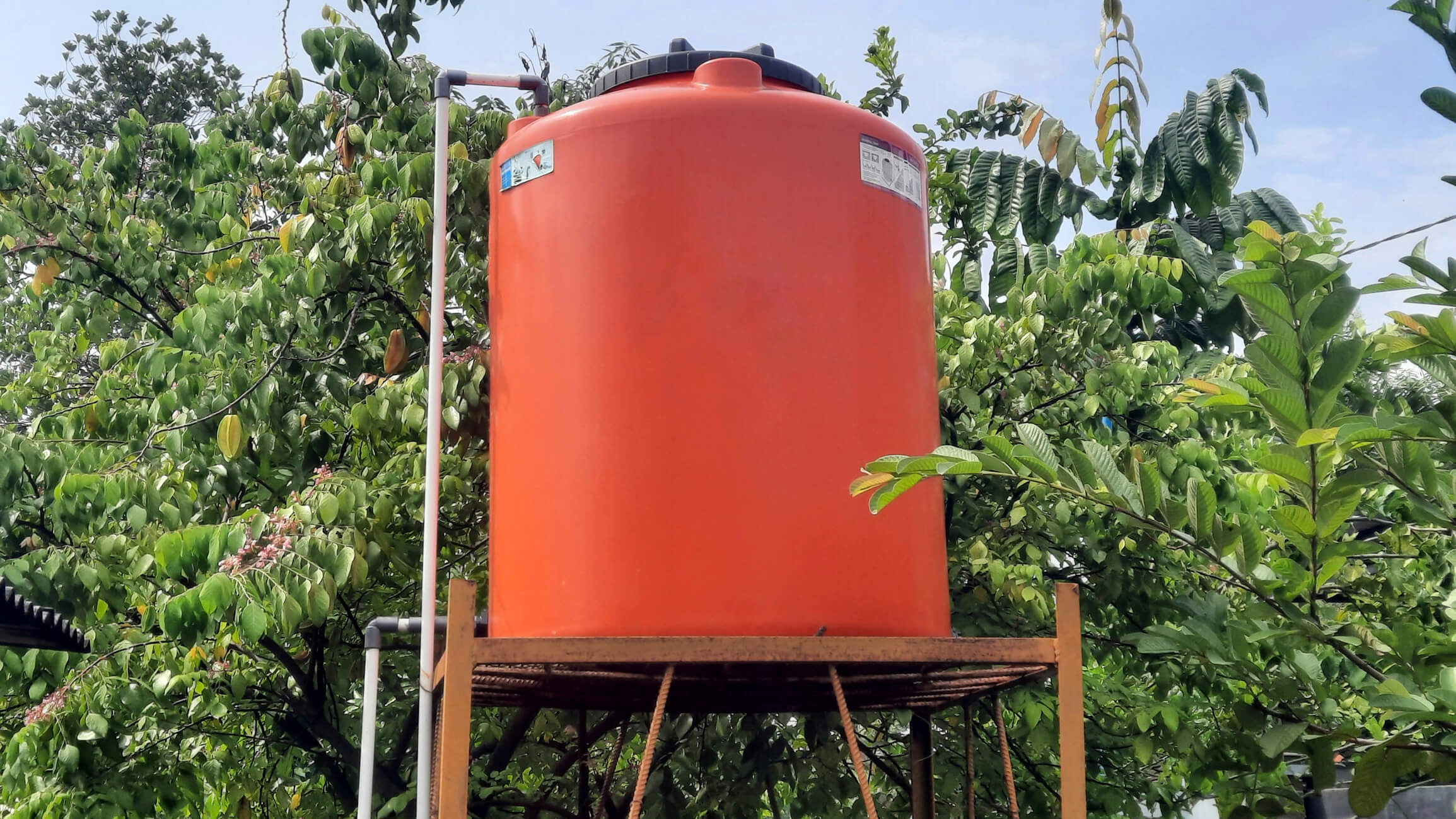
Proper pressure & storage tank systems can help provide more consistent water delivery. A pressure tank stores a supply of pressurized water, reducing the need for the pump to start every time someone opens a faucet.
That can help reduce pump cycling and provide a steadier supply for everyday household use.
The size of the tank also matters. A property with several occupants and high water demand may require considerably more capacity than a small home.
Finding the Right Balance for Your Household
Every home has its own water habits. Some families have teenagers who seem to spend half their lives in the shower. Others have large gardens, multiple bathrooms, or appliances running throughout the day.
A water system should take these patterns into account.
Professionals typically look at peak demand rather than simply calculating average daily consumption. After all, water problems usually become obvious when everyone needs water at the same time—not when the house is quiet.
This is one reason a proper assessment is worthwhile before replacing major equipment. Understanding how much water your household actually uses can prevent you from spending money on equipment that doesn’t fit your needs.
Some Water Problems Require More Specialized Thinking
Not every property has the same water source or the same challenges. Well water, rainwater, commercial water supplies, and other sources can have very different characteristics.
That’s where specialty water solutions can become useful. These may involve customized filtration, treatment, pumping, storage, or combinations of different technologies designed around a particular property.
For example, a rural property might need a system that addresses both water quality and pressure issues. A commercial facility may need specialized treatment because water is being used in equipment or a production process.
The important thing is to avoid treating a unique problem like a standard one. Sometimes a customized solution is the more practical option.
Drinking Water Should Still Taste Good
Even when the home’s main water system is functioning properly, homeowners may want an easier way to access pleasant-tasting drinking water.
That’s where home water coolers can be convenient. They provide a dedicated source for drinking water without requiring someone to constantly keep bottles in the refrigerator.
Depending on the model and setup, water coolers can offer chilled water at a convenient location in the kitchen, office, or another frequently used area.
For families that drink plenty of water throughout the day, this can be a surprisingly useful addition. Cold water is often more appealing, especially during warmer months, and having it readily available can encourage better hydration habits.
Don’t Ignore Strange Changes
A sudden change in water pressure shouldn’t always be dismissed as a temporary annoyance. It may be connected to a clogged filter, failing pump, pressure tank issues, plumbing restrictions, or another component.
Likewise, unusual noises from a pump, frequent cycling, air in the lines, or inconsistent flow can be signs that something deserves attention.
You don’t necessarily need to panic every time the water pressure changes. But if the problem keeps returning, it’s worth having the system inspected.
Catching a small issue early is usually easier than dealing with a complete system failure later.
Maintenance Keeps Everything Moving
Water equipment works hard, often without anyone noticing. Pumps operate repeatedly, tanks pressurize and depressurize, filters collect sediment, and treatment components gradually become less effective.
Routine maintenance helps keep everything operating as intended.
Filters should be replaced according to their service life. Pressure settings should be checked when necessary, and pumps and tanks should be inspected if performance changes. Well systems may also require additional attention depending on the equipment and water source.
A little maintenance might not be exciting, but neither is taking a cold shower because the water system stopped working.
Think About the Whole System
The most reliable water setup isn’t built around one piece of equipment. It works as a complete system.
Water quality, pumping, pressure, storage, filtration, and point-of-use needs all influence one another. Changing one component without considering the rest can sometimes create new problems.
Before investing in equipment, understand your water source, household demand, pressure requirements, and treatment needs. Then choose equipment that works together rather than trying to patch problems one at a time.
In the end, good water management should feel almost invisible. The water comes when you need it, the pressure stays comfortable, and the quality meets your expectations. That’s the real goal—not a complicated collection of equipment, but a dependable system that quietly keeps everyday life running.