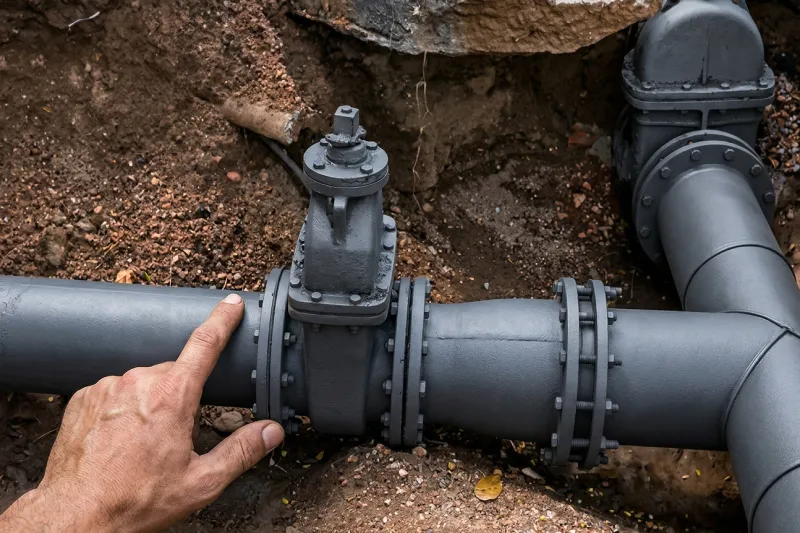
A home’s plumbing system does much more than deliver water to the kitchen and bathroom. Beneath the floors, walls, and yard, a network of pipes carries wastewater away and supplies gas to appliances that make everyday life easier. These systems are easy to overlook because they usually work quietly. Still, when something goes wrong, the inconvenience can quickly become serious.
A backed-up sewer line can affect several fixtures at once, while a gas leak can create an immediate safety concern. The good news is that many plumbing problems can be reduced through sensible maintenance, early inspections, and timely repairs. Homeowners don’t need to become plumbing experts, but they should understand the warning signs and know when professional help is necessary.
Why Preventive Plumbing Care Matters
Waiting until a pipe fails completely is rarely the most affordable approach. Small issues often become larger when they are ignored. A minor sewer blockage may eventually lead to wastewater backing up into a bathroom, while a damaged gas connection can become dangerous if it is not inspected.
Preventive care helps identify concerns before they cause extensive damage. It may also improve the performance of household appliances and extend the useful life of underground infrastructure. Professional inspections are especially valuable for older homes, properties with mature trees, or houses that have experienced repeated drainage problems.
Good maintenance is not about repairing something that is not broken. It is about noticing changes early and dealing with them before they become expensive emergencies.
Understanding Gas Line Maintenance
Gas lines require careful attention because they supply fuel to appliances such as stoves, furnaces, fireplaces, dryers, and water heaters. Although gas systems are designed to be reliable, fittings can loosen, pipes can corrode, and accidental damage can occur during construction or landscaping work.
Professional gas line maintenance may include checking accessible connections, inspecting valves, testing pressure, examining appliance connectors, and looking for signs of corrosion or damage. A qualified technician can also evaluate whether an older gas system still meets current safety requirements.
Homeowners should watch for warning signs such as a rotten-egg smell, hissing sounds near a pipe, unusual appliance performance, or unexplained increases in gas usage. If a gas leak is suspected, leave the property immediately. Do not switch lights on or off, use electrical devices, light flames, or attempt to locate the source yourself. Contact the gas utility or emergency services from a safe location.
Gas line maintenance should never involve improvised repairs. Tape, glue, or household sealants are not suitable substitutes for approved materials and professional workmanship. Because gas systems involve combustion and pressure, even a seemingly small problem deserves proper attention.
Common Causes of Sewer Line Problems
Sewer lines carry wastewater from toilets, sinks, showers, and appliances toward a municipal sewer system or septic tank. Over time, several factors can interfere with this process.
Tree roots are one of the most common causes of underground sewer damage. Roots naturally seek moisture and may enter tiny cracks or loose joints. As they grow inside the pipe, they can restrict flow and cause recurring blockages.
Grease and unsuitable materials can also create trouble. Cooking fats may harden inside pipes, while wipes, paper towels, and hygiene products may fail to break down properly. Even products advertised as flushable can contribute to blockages, particularly in older systems.
Other causes include shifting soil, corrosion, poor installation, pipe collapse, and ground movement. Some problems develop gradually, while others occur suddenly. Recognizing the difference often requires professional inspection rather than guesswork.
When Sewer Line Cleaning Is Helpful
Slow drains, gurgling toilets, unpleasant odors, and repeated backups may indicate that a sewer line needs attention. Professional sewer line cleaning can remove accumulated grease, sludge, roots, and other obstructions that interfere with normal wastewater flow.
Depending on the condition of the pipe, technicians may use methods such as mechanical augers or hydro jetting. Hydro jetting uses high-pressure water to clean the interior walls of the pipe and remove stubborn buildup. It can be highly effective, but it should be used carefully, particularly on old or fragile pipes. Excessive pressure may worsen existing damage if the line is already compromised.
Cleaning is often useful when the pipe itself remains structurally sound. However, it is not a permanent solution for every sewer problem. If the line is cracked, collapsed, severely corroded, or repeatedly affected by root intrusion, cleaning may only provide temporary relief.
A camera inspection can help determine whether the issue is a simple obstruction or a deeper structural concern. It also allows the technician to recommend the appropriate service instead of repeatedly treating the same symptom.
Recognizing the Need for Sewer Line Replacement
There comes a point when repairing or cleaning an old sewer line is no longer the most practical choice. Professional sewer line replacement may be necessary when the pipe has extensive cracks, multiple leaks, severe corrosion, or a collapsed section that cannot be reliably repaired.
Repeated backups are another warning sign. If a sewer line needs frequent cleaning but the problem returns shortly afterward, the pipe may have a structural defect. Replacing the damaged section—or the entire line, depending on the situation—can provide a more dependable long-term solution.
The replacement process begins with an inspection and property assessment. Professionals must consider the pipe’s location, depth, material, soil conditions, nearby utilities, and local regulations. Permits may be required, especially when the work connects to a municipal sewer system.
Traditional replacement involves excavation, removing the damaged pipe, installing new piping, testing the system, and restoring the affected area. In suitable conditions, trenchless methods may reduce digging and limit disruption to driveways, landscaping, or patios. These techniques are not appropriate for every property, so homeowners should ask whether the site is a good candidate.
Everyday Habits That Protect Sewer Lines
Homeowners can reduce sewer problems through a few practical habits. Avoid flushing anything other than toilet paper and human waste. Dispose of cooking grease in a container rather than pouring it down the sink. Use drain screens to catch hair and food particles before they enter the plumbing system.
Be mindful of what goes into garbage disposals. Fibrous vegetables, coffee grounds, eggshells, and large quantities of food waste can contribute to clogs. Running cold water while using the disposal may help move waste through the drain, but it does not make unsuitable materials safe for the sewer system.
Landscaping also deserves attention. Before planting large trees, identify the location of underground sewer and utility lines. Roots can travel considerable distances, and prevention is easier than removing a mature tree or repairing a damaged pipe.
Why Professional Inspections Are Worth Considering
Professional inspections are particularly useful when a property is older, has a history of plumbing problems, or is being purchased. A sewer camera inspection can reveal hidden defects that might not be visible from the surface. Gas system checks can identify unsafe connections, damaged components, or outdated installation practices.
A qualified contractor should explain the findings clearly and provide options based on the actual condition of the system. Homeowners should request written estimates and ask whether labor, materials, permits, testing, cleanup, and restoration are included.
Avoid contractors who recommend major replacement work without inspecting the line or explaining the reason for the proposal. At the same time, repeated temporary fixes should not be mistaken for a permanent solution when the underlying pipe is failing.
A Safer, More Reliable Home Starts Below the Surface
Sewer and gas systems are essential parts of a comfortable home, even though most of their work happens out of sight. Regular attention, sensible household habits, and professional service can reduce the risk of serious problems.
Gas systems should always be handled with safety in mind, while sewer issues should be diagnosed before choosing between cleaning, repair, or replacement. Taking action early can protect the property, reduce disruption, and prevent avoidable expenses.
A few thoughtful maintenance steps today can make a significant difference tomorrow. When the systems beneath your home are cared for properly, daily life becomes safer, smoother, and far less stressful.