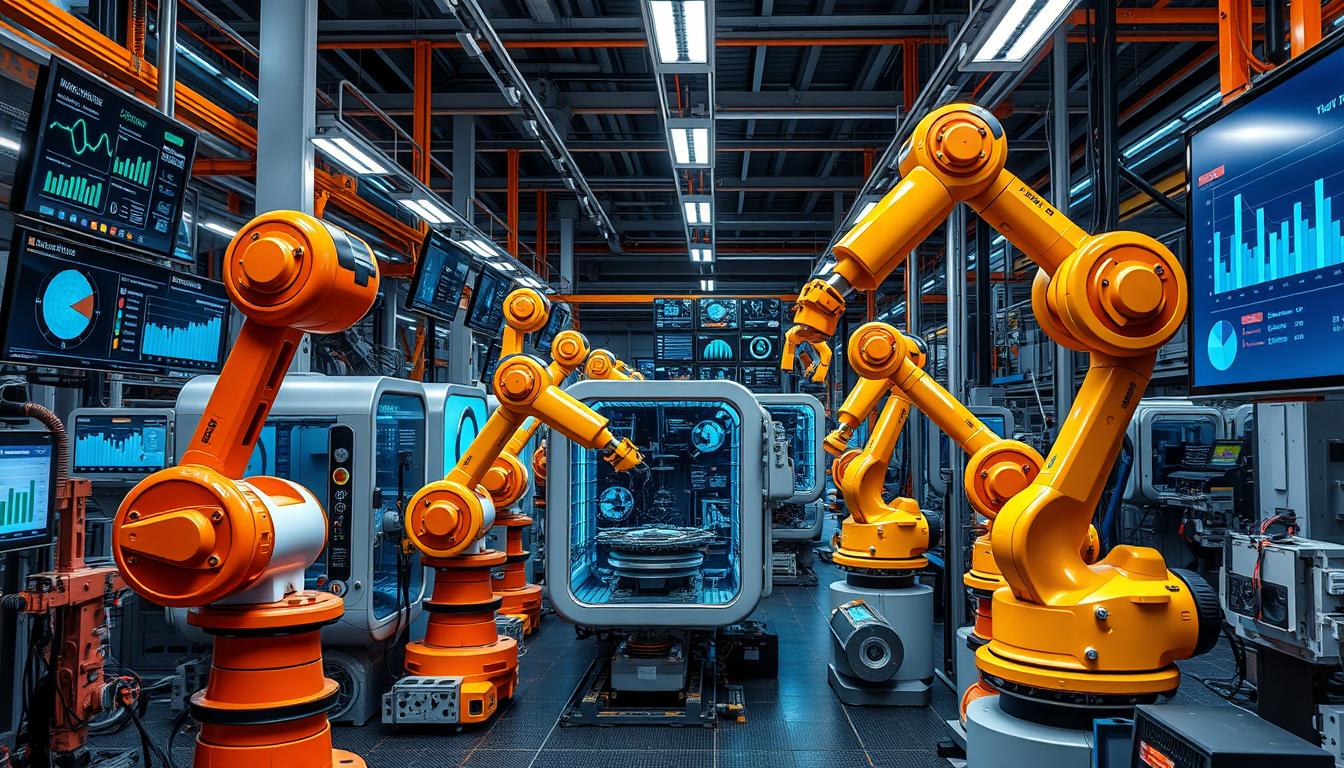
Walk into a busy workshop, factory, commercial kitchen, warehouse, or even a large office building, and you’ll probably see plenty of equipment working quietly in the background. Motors are running, pumps are moving, machines are producing, cooling systems are operating. When everything works, nobody thinks much about it.
Until something stops.
A strange noise becomes a breakdown. A small leak turns into a costly repair. Production slows down, deadlines get pushed, and suddenly a machine that seemed almost invisible has everyone’s attention. That’s why regular equipment maintenance isn’t just another item on an operations checklist. It can have a real effect on costs, productivity, safety, and peace of mind.
Small Problems Rarely Stay Small
Most equipment failures don’t happen completely out of nowhere. There are usually warning signs, although they aren’t always obvious.
A machine might start vibrating slightly more than usual. A motor could run hotter. A pump may become noisier. Energy consumption might gradually increase. Sometimes the only clue is that a process isn’t performing quite as smoothly as it did a few months ago.
These details are easy to ignore when everything is still technically working. And that’s where businesses can get caught out.
Routine inspections help identify these early signs before they become major failures. Replacing a worn bearing, tightening a loose connection, cleaning a clogged component, or changing a filter is generally far easier—and cheaper—than dealing with a complete equipment failure in the middle of a busy production cycle.
Maintenance Can Extend the Life of Equipment
Industrial and commercial equipment isn’t cheap. Even relatively ordinary machines can represent a significant investment, while specialised equipment may cost considerably more.
Taking care of that investment makes financial sense.
Regular lubrication, cleaning, calibration, inspection, and timely replacement of worn parts can support equipment longevity. A machine that’s maintained properly is less likely to experience unnecessary stress caused by friction, overheating, contamination, or misalignment.
Think about your car. You wouldn’t normally drive for years without changing the oil, checking the tyres, or servicing the engine and then be surprised when something goes wrong. Industrial equipment isn’t all that different. It may be bigger and more complicated, but the basic idea remains the same: neglect tends to catch up eventually.
Downtime Is Often the Real Cost
When a machine breaks down, the repair bill is only one part of the story.
There’s also lost production, delayed orders, idle workers, missed delivery windows, emergency technician fees, and sometimes unhappy customers. In a tightly scheduled operation, a single failed component can create a domino effect.
This is why preventive maintenance can be so valuable. Instead of waiting for equipment to fail at the worst possible moment, maintenance teams can schedule inspections and repairs during planned downtime.
Of course, preventive maintenance doesn’t eliminate every breakdown. Machines are machines. Things can still fail unexpectedly. But reducing avoidable failures can make operations much more predictable.
Efficient Equipment Usually Means Better Operations
A machine doesn’t have to stop completely to become a problem. Sometimes it’s simply working poorly.
A clogged filter may force a system to work harder. Poor lubrication can increase friction. Incorrect calibration can lead to waste or inconsistent output. A cooling system struggling with dust buildup may consume more energy while delivering less performance.
Regular maintenance helps keep equipment closer to its intended operating condition. That can contribute to better operational efficiency, especially in facilities where dozens or hundreds of machines are working together.
The interesting thing is that efficiency isn’t always dramatic. It might be a few minutes saved here, less material wasted there, or fewer interruptions during a shift. Over a year, though, those little improvements can add up to something meaningful.
Safety Should Never Be an Afterthought
Maintenance isn’t only about protecting machinery or saving money. It’s also about people.
Faulty equipment can create serious workplace hazards. Electrical problems, leaking fluids, excessive heat, loose components, damaged guards, and unexpected machine movement can all put workers at risk.
A strong maintenance programme gives teams an opportunity to identify these hazards before they become incidents. It also encourages workers to report unusual sounds, smells, vibrations, or performance changes instead of simply working around them.
That culture matters. Sometimes the person operating a machine every day notices something long before a formal inspection would.
Listening to those observations can be surprisingly valuable.
Documentation Makes Maintenance Easier
Good maintenance isn’t just about doing the work. It’s also about keeping useful records.
A maintenance log can show when equipment was inspected, what parts were replaced, which problems have occurred repeatedly, and when the next service is due. Over time, these records can reveal patterns.
For example, if the same pump requires repairs every few months, the answer may not be another repair. There could be an underlying issue with installation, operating conditions, alignment, or component selection.
Digital maintenance management systems can make this information easier to organise, particularly for larger facilities. Even a simple, well-maintained spreadsheet can be better than relying on someone’s memory.
Compliance and Industry Standards Matter
Certain industries have specific requirements for equipment inspection, testing, documentation, and workplace safety. Ignoring these requirements can create more than an administrative headache.
Proper maintenance and documentation can support regulatory compliance, helping organisations demonstrate that equipment is being inspected and maintained according to applicable rules and standards.
The exact requirements depend heavily on the industry, equipment type, location, and operating environment. Businesses should therefore rely on applicable regulations and qualified professionals rather than assuming one maintenance schedule works for everything.
Train the People Who Use the Equipment
Even the best maintenance programme has limits if equipment operators aren’t properly trained.
Employees should know how to operate machinery correctly, recognise basic warning signs, follow shutdown procedures, and report faults. They don’t necessarily need to become maintenance technicians. They just need enough knowledge to spot when something doesn’t look or sound right.
Simple habits can make a difference. Don’t ignore unusual vibration. Don’t bypass a safety feature because it’s inconvenient. Don’t continue operating equipment that’s showing obvious signs of failure just to finish a shift.
That “I’ll deal with it later” approach has a habit of becoming expensive.
Maintenance Is an Investment, Not Just an Expense
It’s tempting to see maintenance as money going out: labour, spare parts, inspections, tools, and service contracts. But the better question is what that spending prevents.
A well-maintained machine can support longer service life, more reliable production, safer working conditions, and fewer unpleasant surprises. Those benefits don’t always appear as a neat line on a monthly invoice, but they’re felt throughout the business.
The smartest maintenance strategy isn’t necessarily the one that spends the most. It’s the one that understands the equipment, identifies genuine risks, plans sensible interventions, and keeps people involved.
After all, machines rarely announce that they’re about to fail. They usually whisper first.
The businesses that learn to listen to those whispers—and act before they become alarms—are often the ones that keep their operations moving when everyone else is scrambling to catch up.